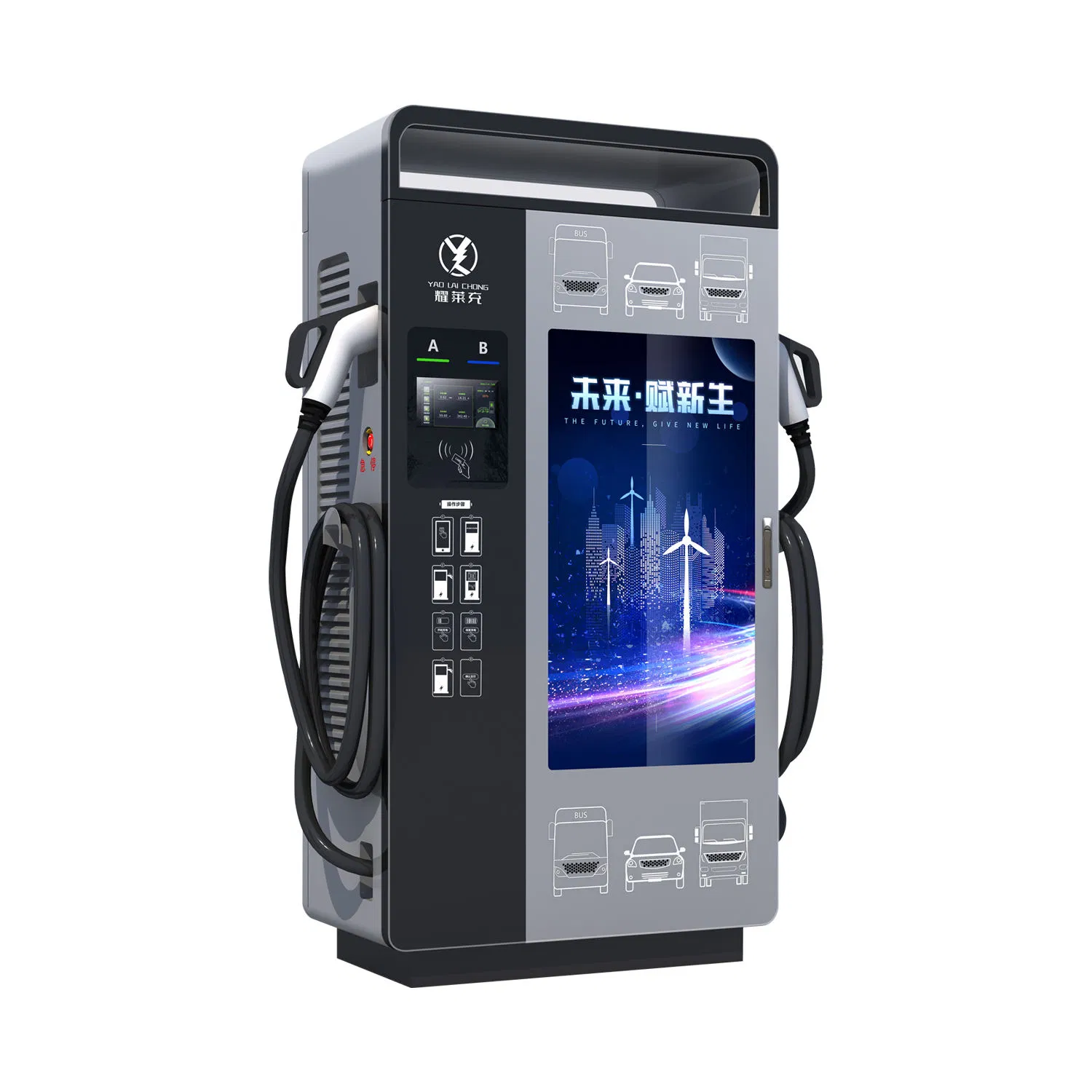
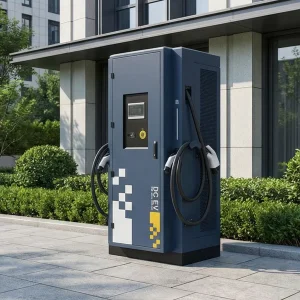
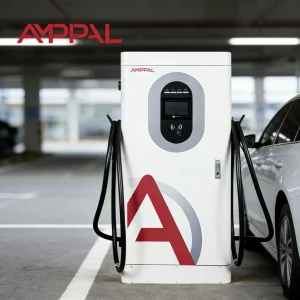
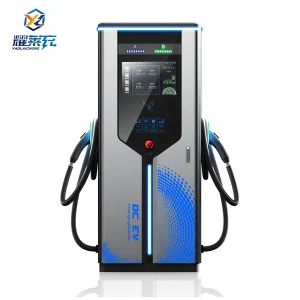
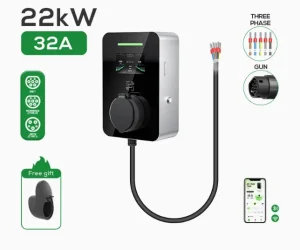
DC Dual Gun Gbt CCS Electric Car EV Charger Fast Charging Station with Advertising Screen

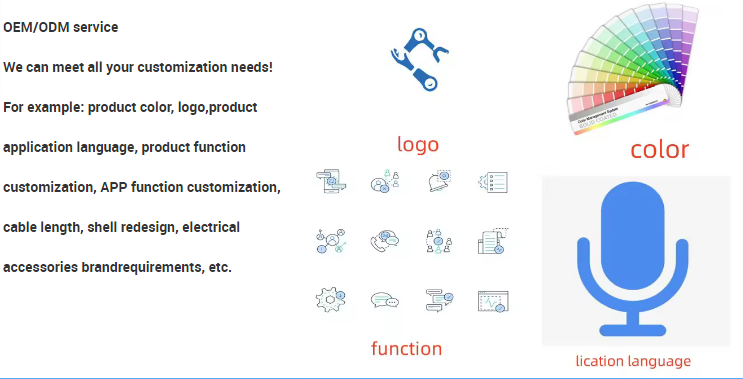
Customization: Available
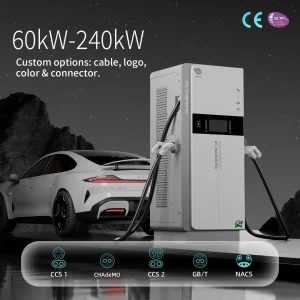
Connector Type: CCS1, CCS2, CHAdeMO, GB/T
Installation: Floor Type

Product Description

📊 Basic Specifications
Model NO.YLC-KC-G
LocationPublic Use
Charging InterfacesOne Pile with Multiple Charges
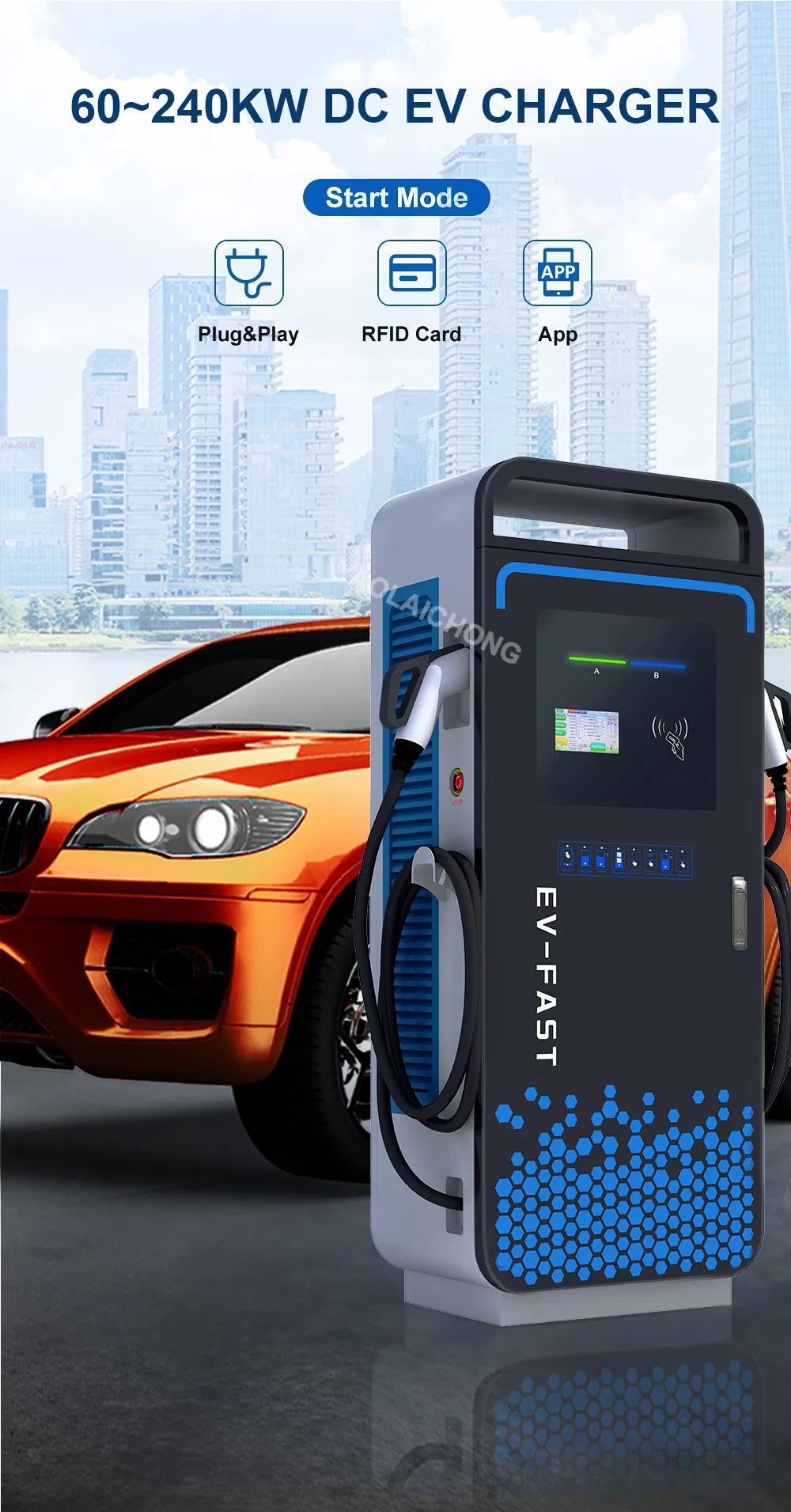
Start ModeCredit Card Payment, Mobile Remote Operation, RFID
Output Power40kw-360kw
Input Voltage380V
Applicable CarAll Brands of Electric Vehicles
Applicable ModelsCars, Buses, Trucks, Sanitation Vehicles
PaymentRFID/POS/OCPP (QR Code, Credit Card)
Charging Time20-30 mins
G.W300kg
PackingWooden Case (2000*855*2000mm)
HS Code850440
Production Capacity200/Month
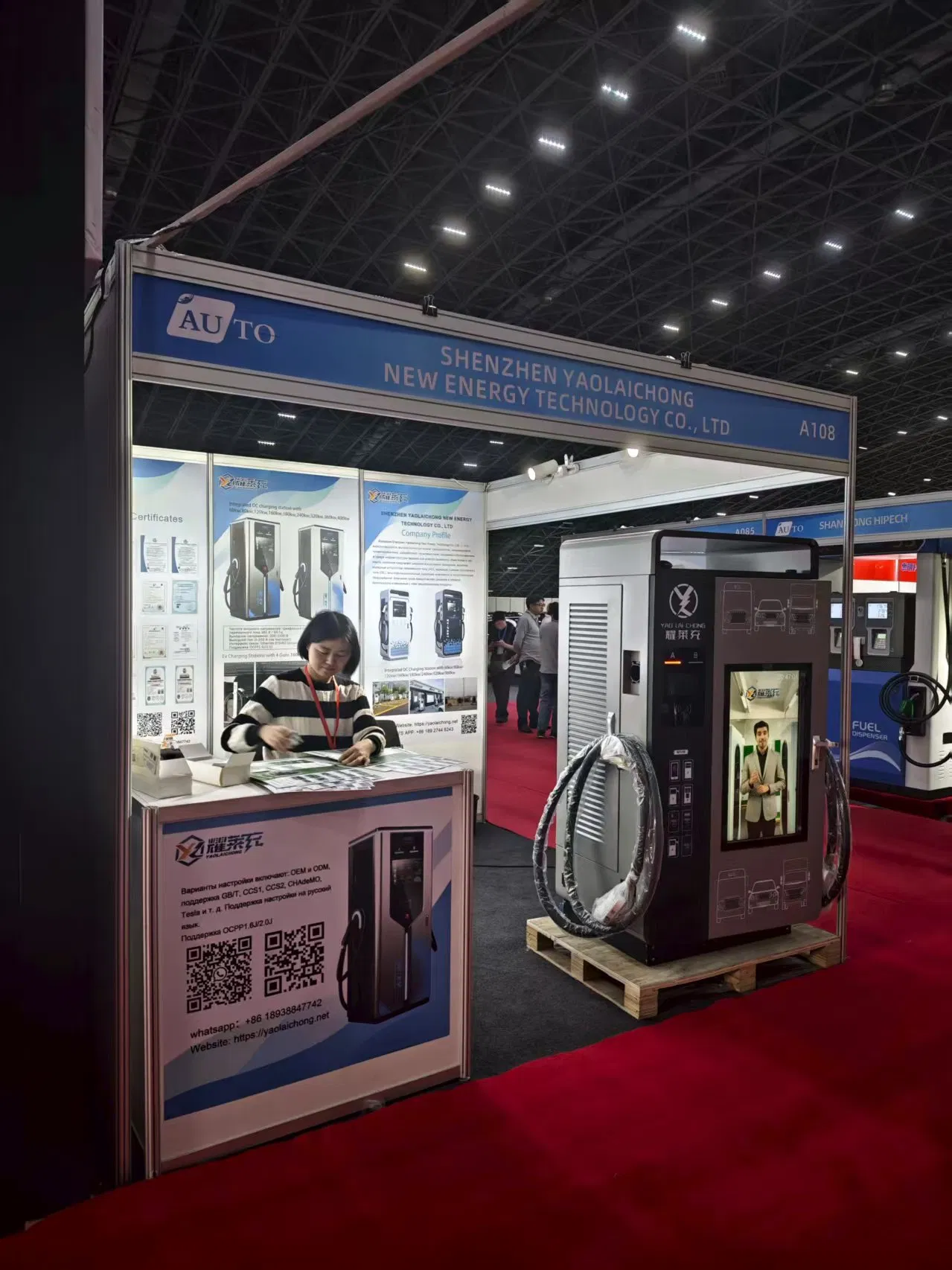
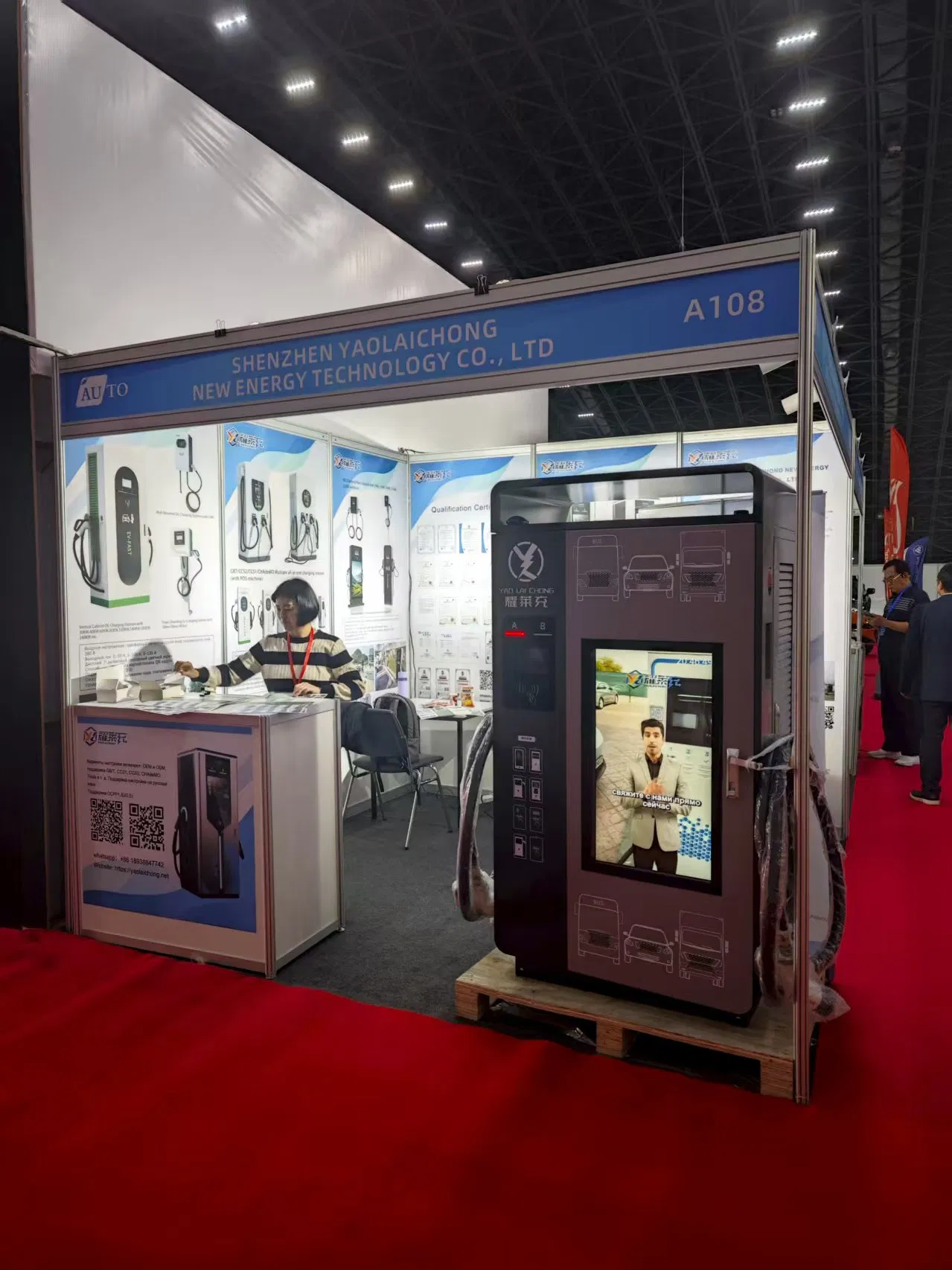
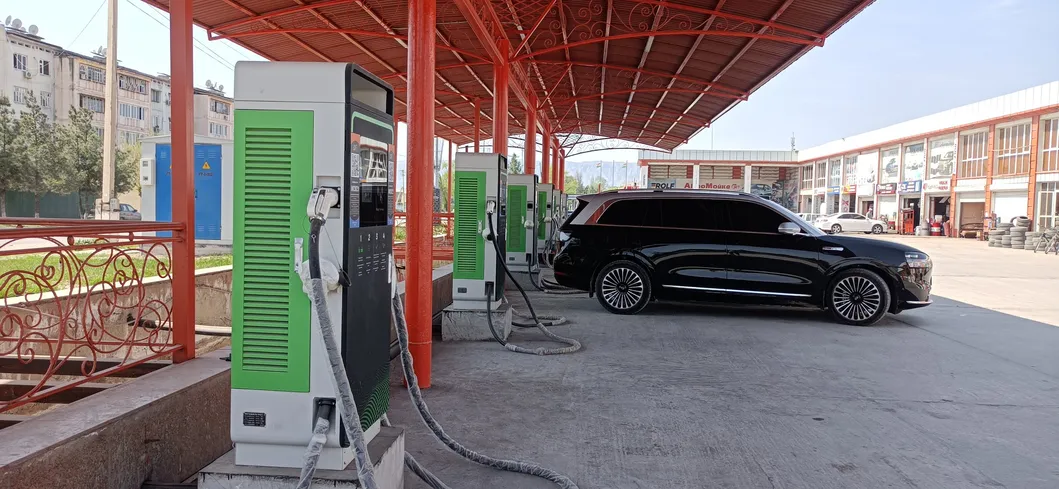
💬 Customer Case Feedback
Customer Case Feedback
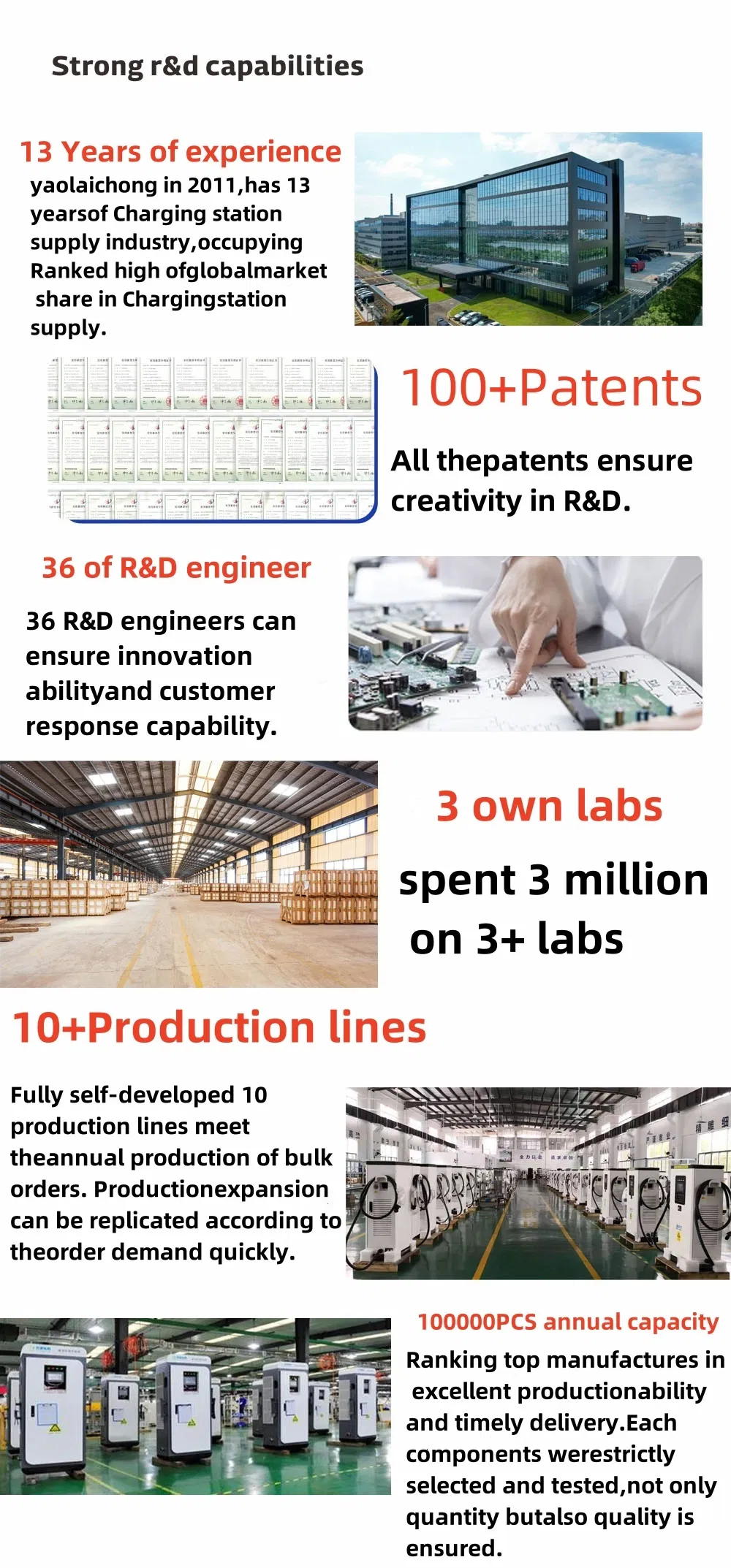
🌟 Why Customers Choose Us
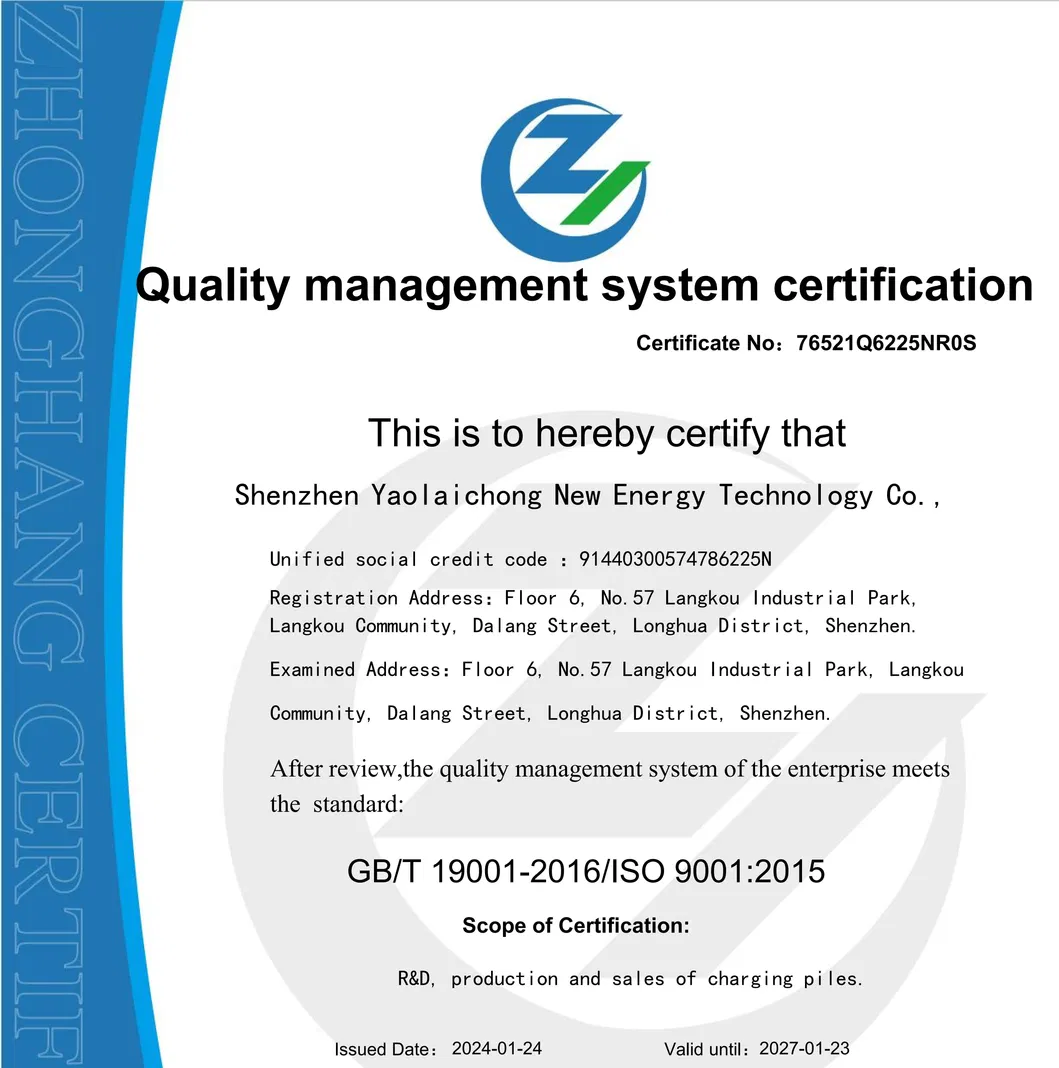
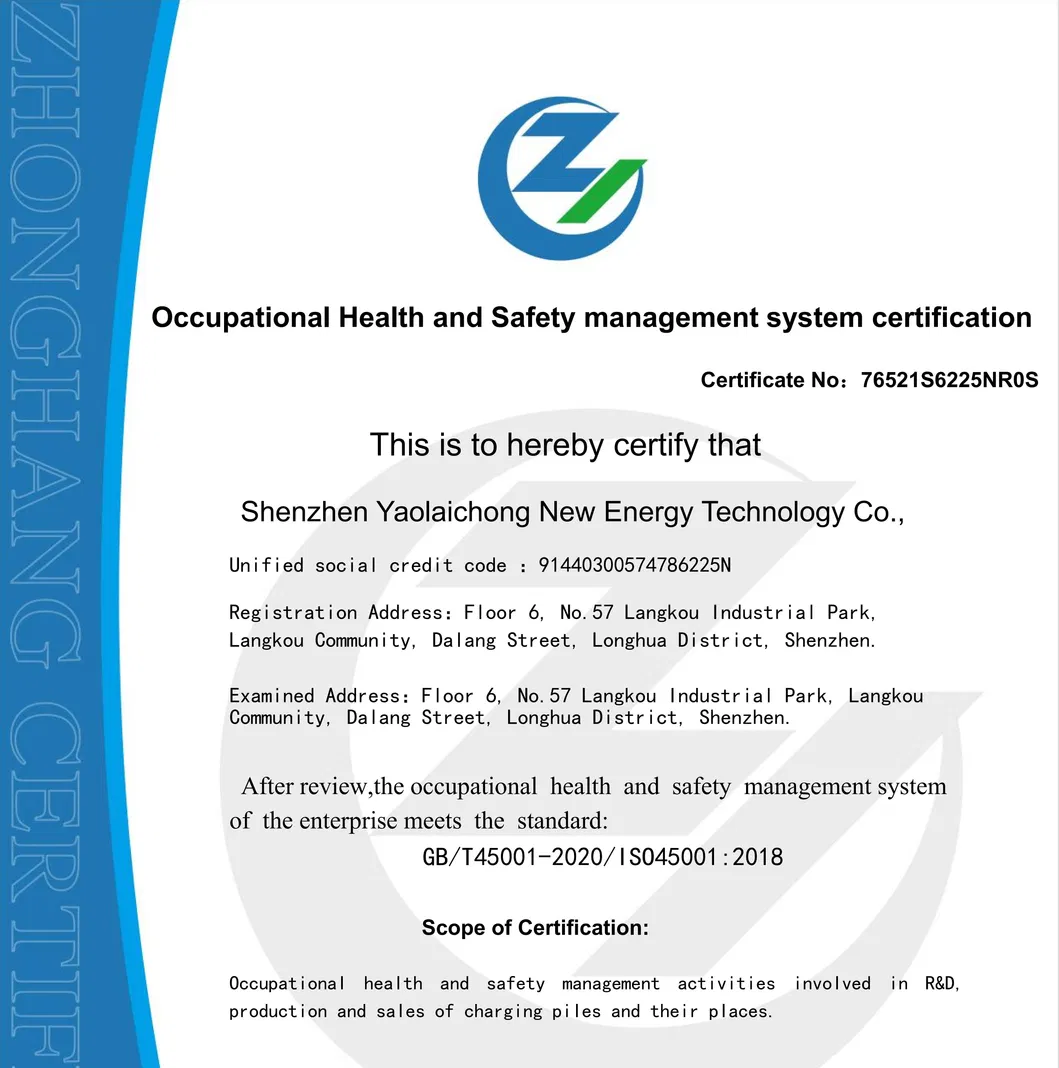
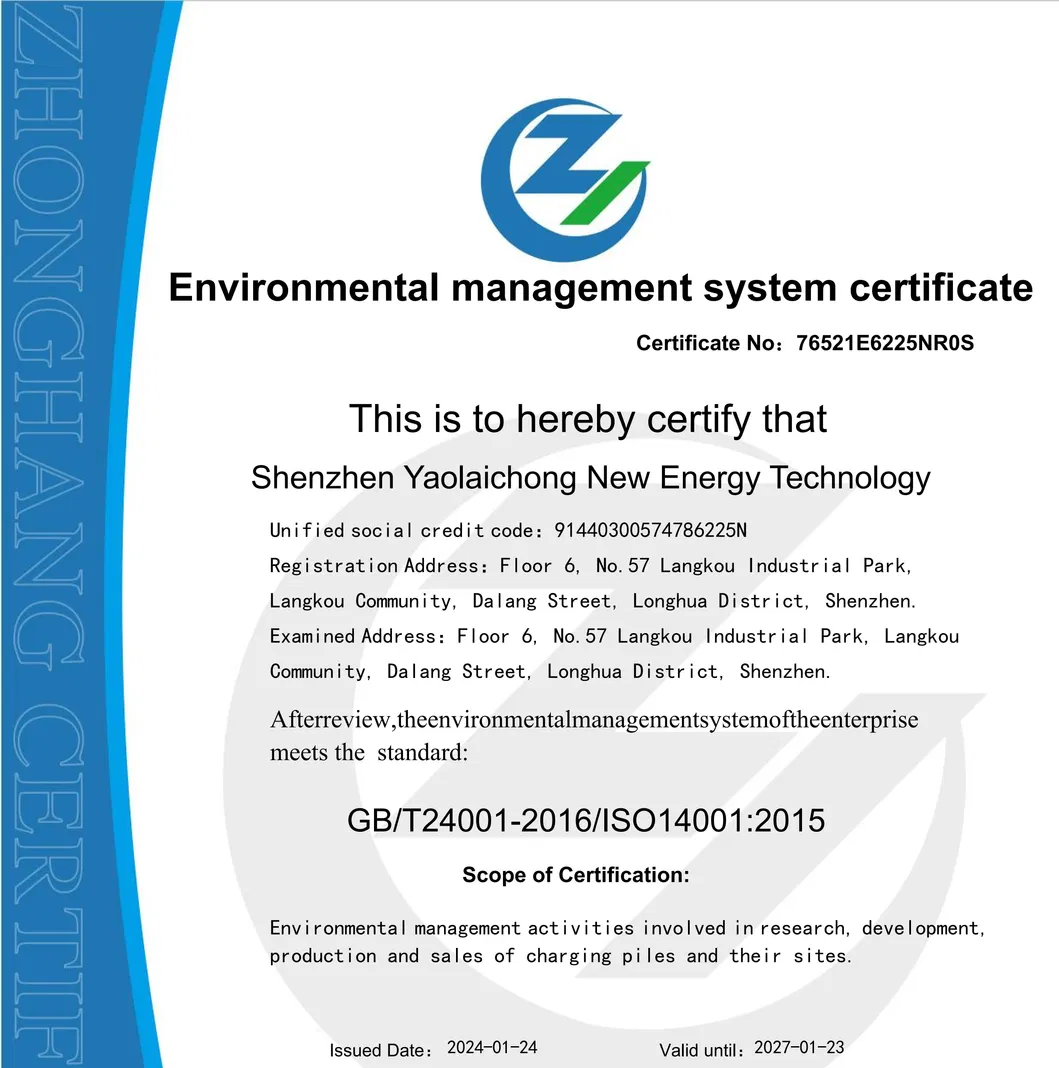
Quality Standards
Technology Advantage
Support Service
🔌 Product Overview
EV Charger Part 1
EV Charger Part 2
EV Charger Part 3
EV Charger Part 4
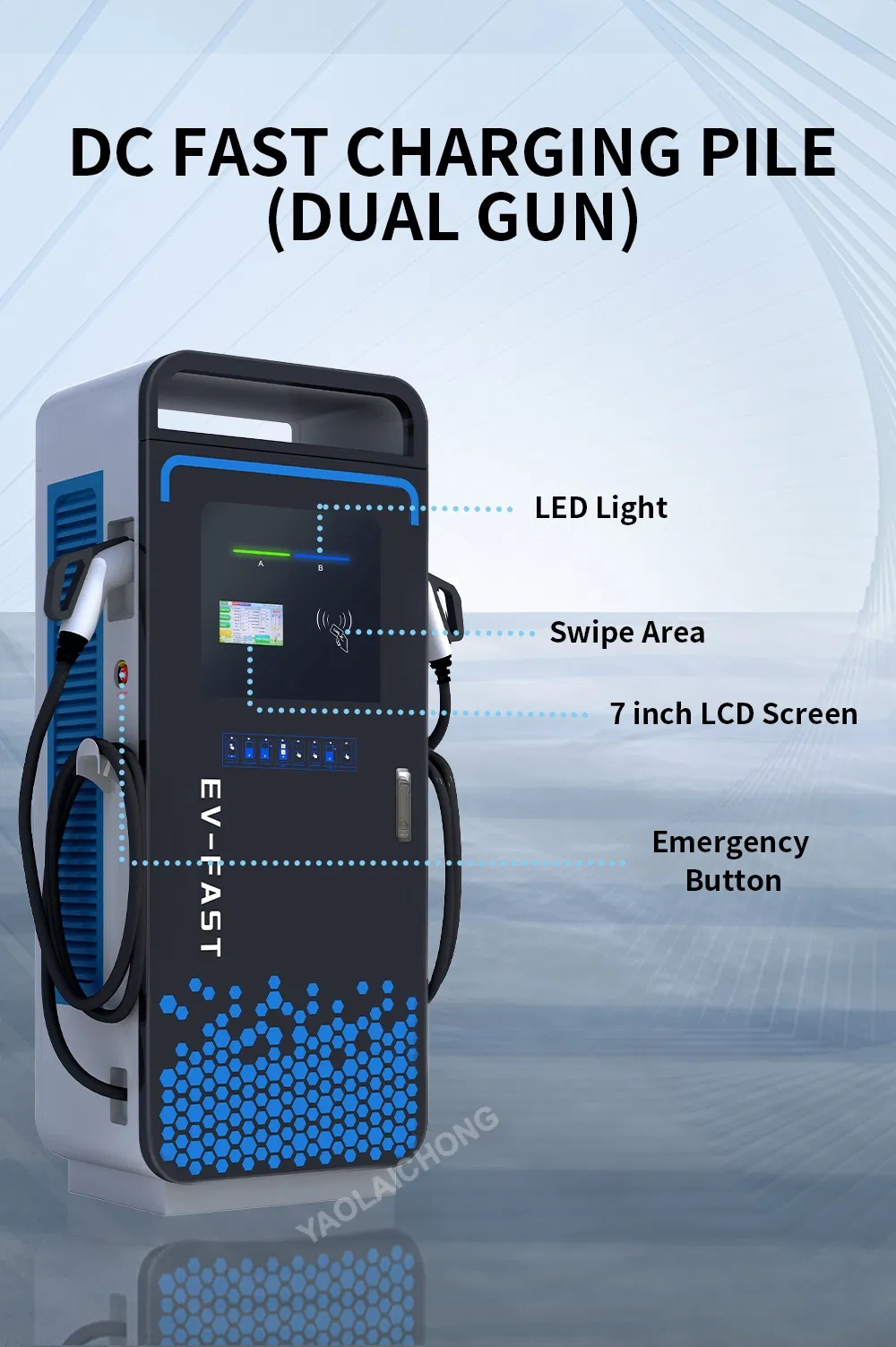
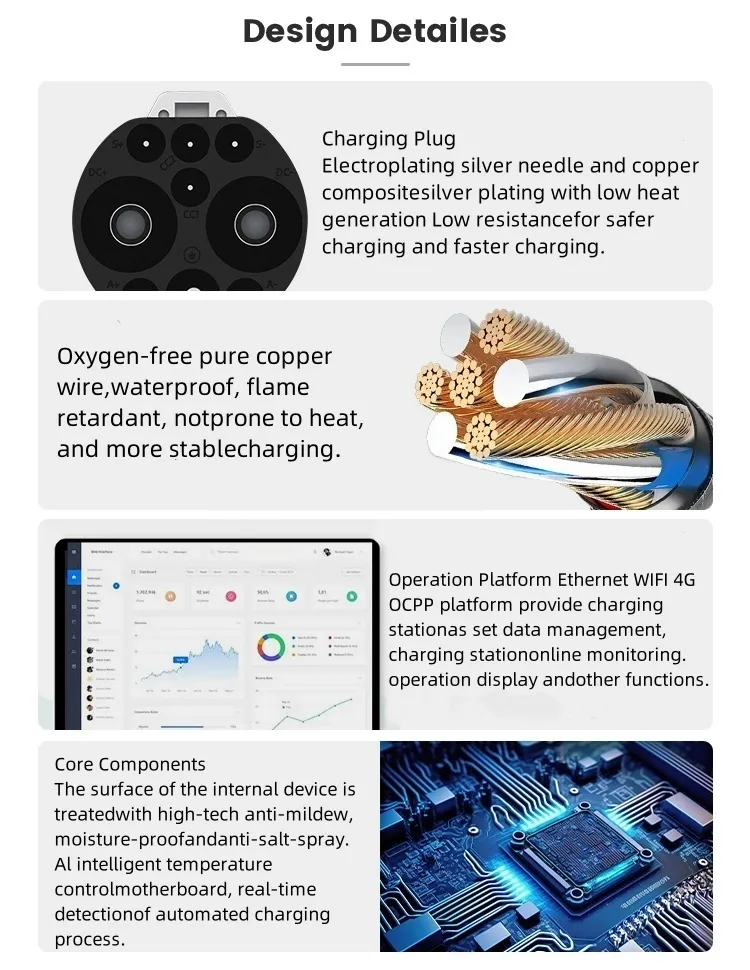
Display Screen Detail
Connector Detail
Specs Summary
📋 Technical Parameters
Rated Power120kw/160KW/180kw/240kw/320kw
User Interface7-inch LCD color touch screen
InstallationFloor Standing
Cable Length5m
Working Temp-25°C to +50°C
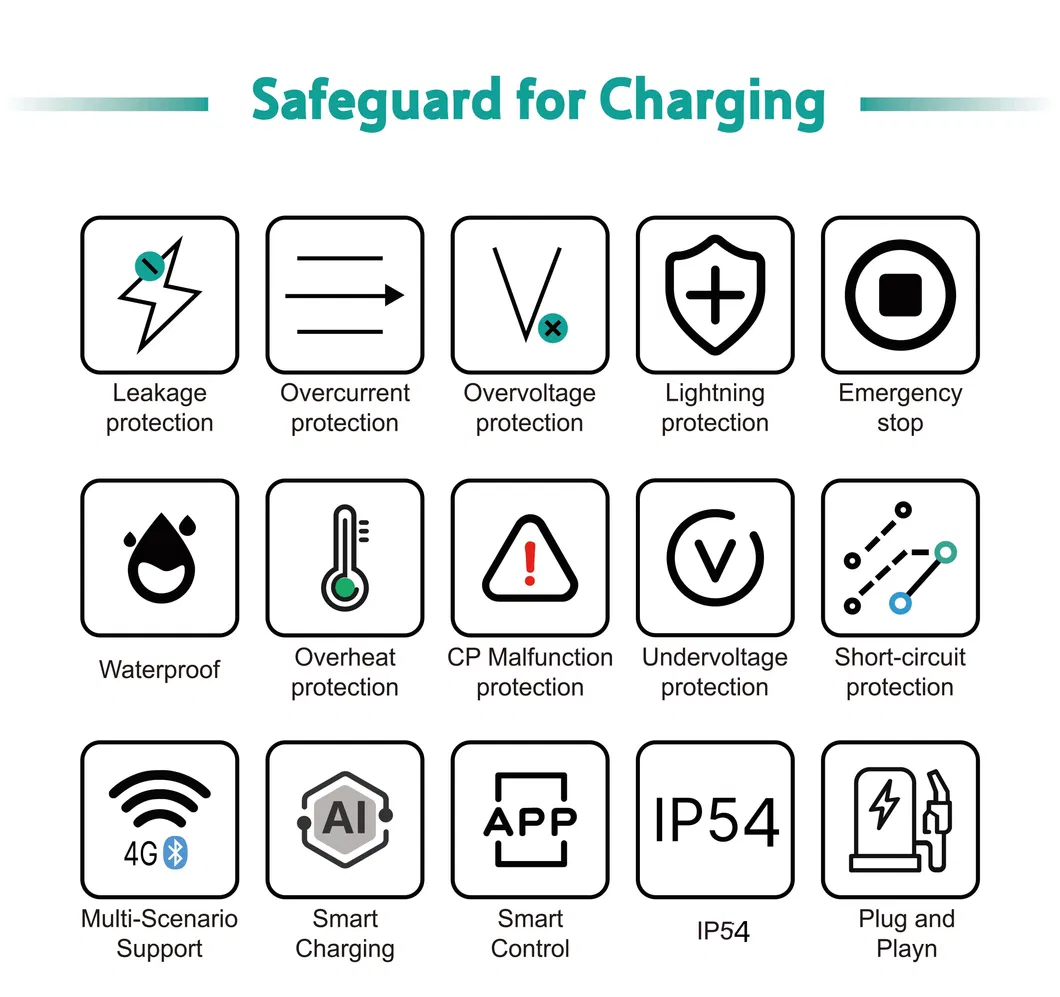
Protection LevelIP54
Output Voltage200-1000V
Output Current0-250A (Single gun)
Efficiency≥ 94.5%
Power Factor≥ 0.99 (More than 50% load)
Charging ModeAuto fill / Fixed quantity / Fixed amount / Set time
StandardsCCS1, CCS2, GBT, CHAdeMO
Safety FunctionsOvervoltage, Short circuit, Grounding, Over temperature, Insulation monitoring, Emergency stop, Lightning protection
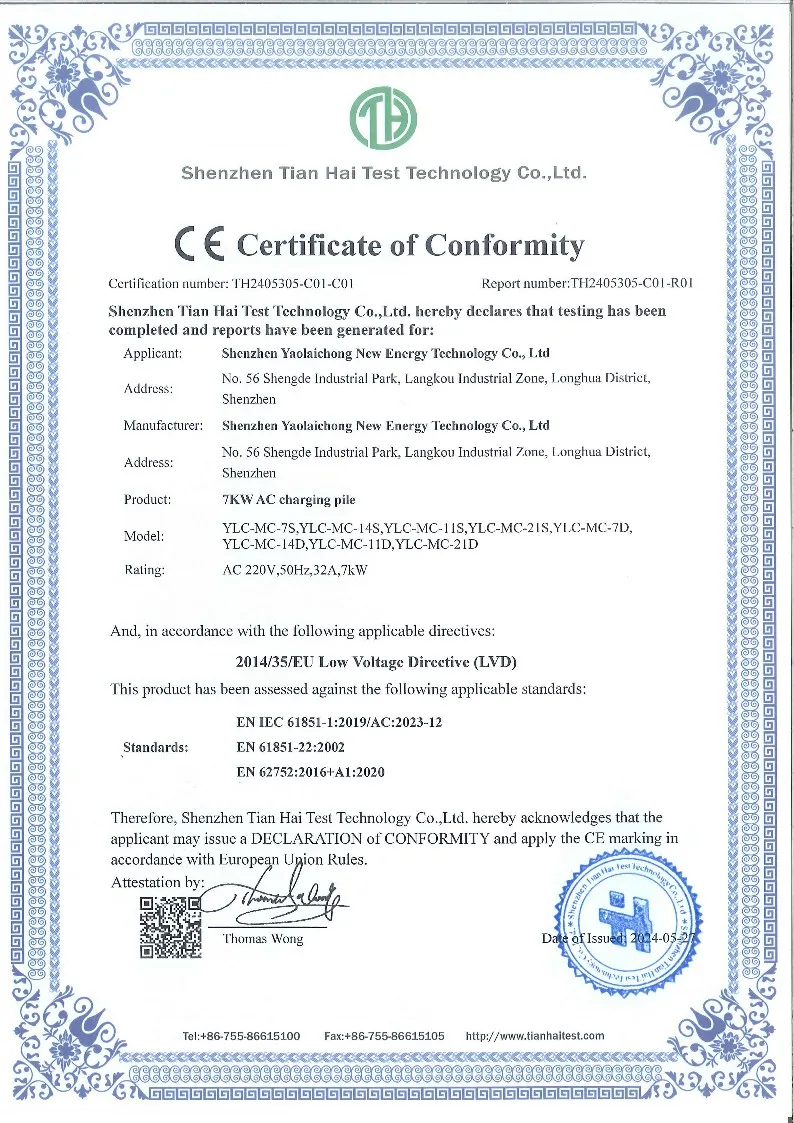
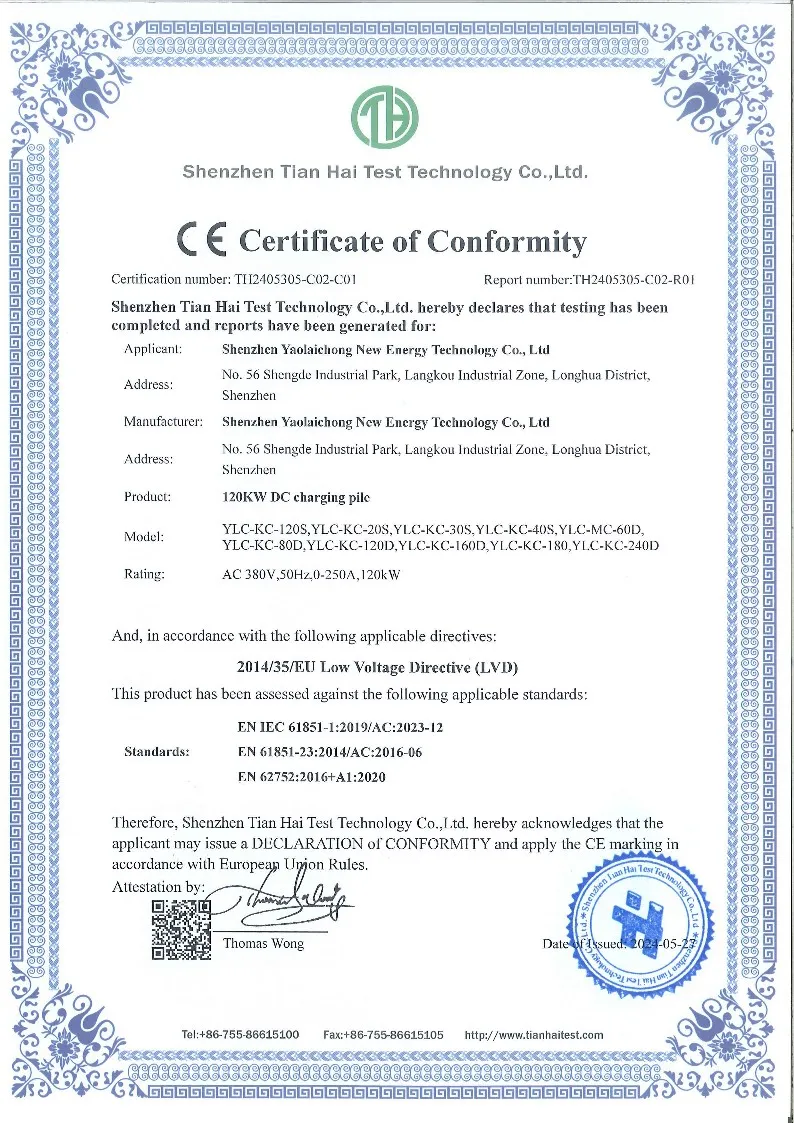
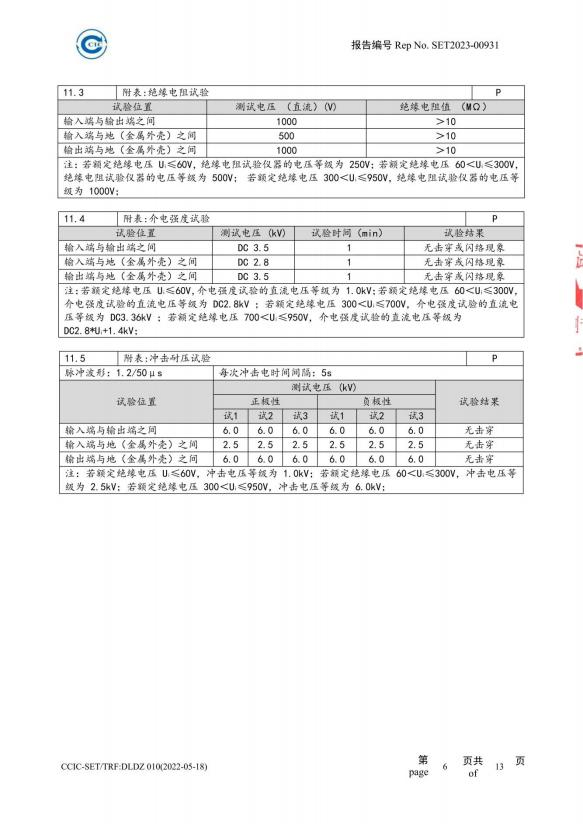
🛡️ Professional Certifications
Cert 1
Cert 2
Cert 3
Test Report 1
Test Report 2
Test Report 3
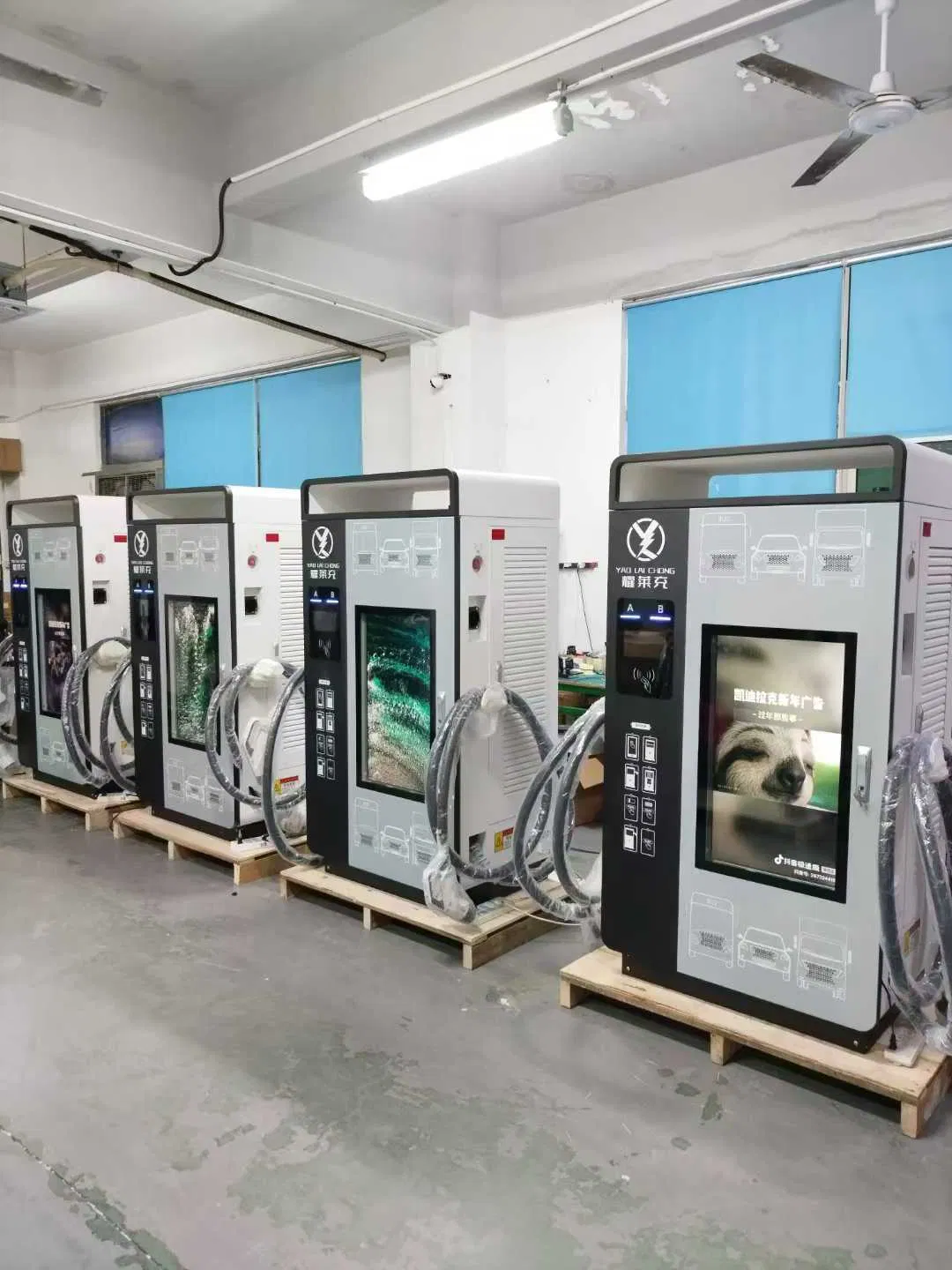
📦 Packaging & Delivery
Product Packaging
Frequently Asked Questions
Q1: Are you a manufacturer or a trading company?
We are a professional EV charging station manufacturer with over 15 years of industry experience.
Q2: What is the main difference between AC and DC chargers?
The difference lies in where the AC power is converted. A DC charger has the converter inside the unit itself, feeding power directly to the vehicle's battery, bypassing the on-board charger for much faster speeds.
Q3: Which DC fast charging standards do you support?
We support major global standards: CCS-1 (North America), CCS-2 (Europe), CHAdeMO (Japan), and GB/T (China).
Q4: Does higher output power always mean faster charging?
Not necessarily. It depends on the car battery's power limit. However, high-power chargers allow for dual connector output to charge two vehicles simultaneously at high speeds and offer future-proofing as battery technology improves.
Q5: What factors affect the charging speed of a vehicle?
1. Charger Type (kW capacity); 2. Vehicle (on-board charger capacity and battery fullness); 3. Conditions (ambient and battery temperature - optimal between 20-30°C).
Q6: What are your warranty and support services?
We provide a two-year hardware warranty, lifetime software support (subject to terms), and professional after-installation technical guidance.

Related Products