VoltEdge Charging
1 / 5

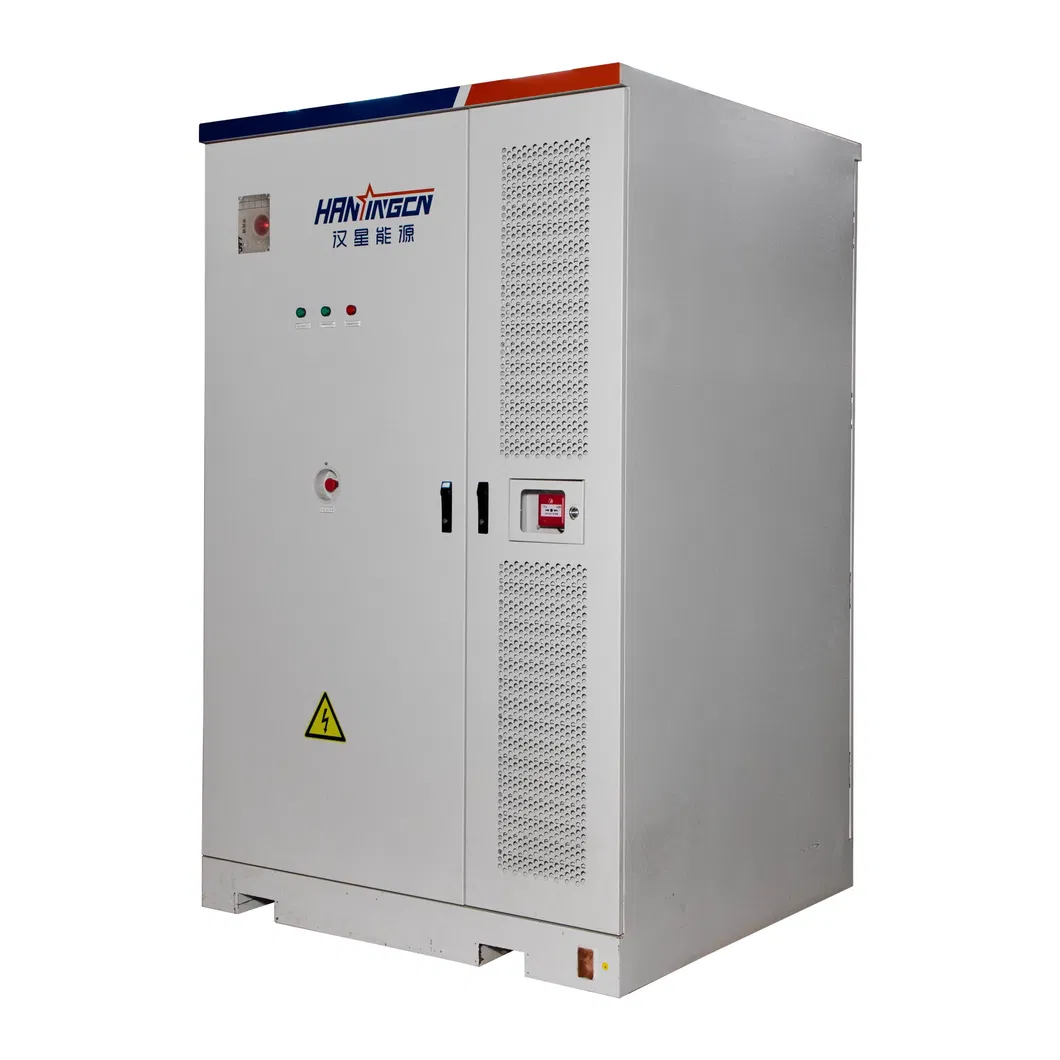
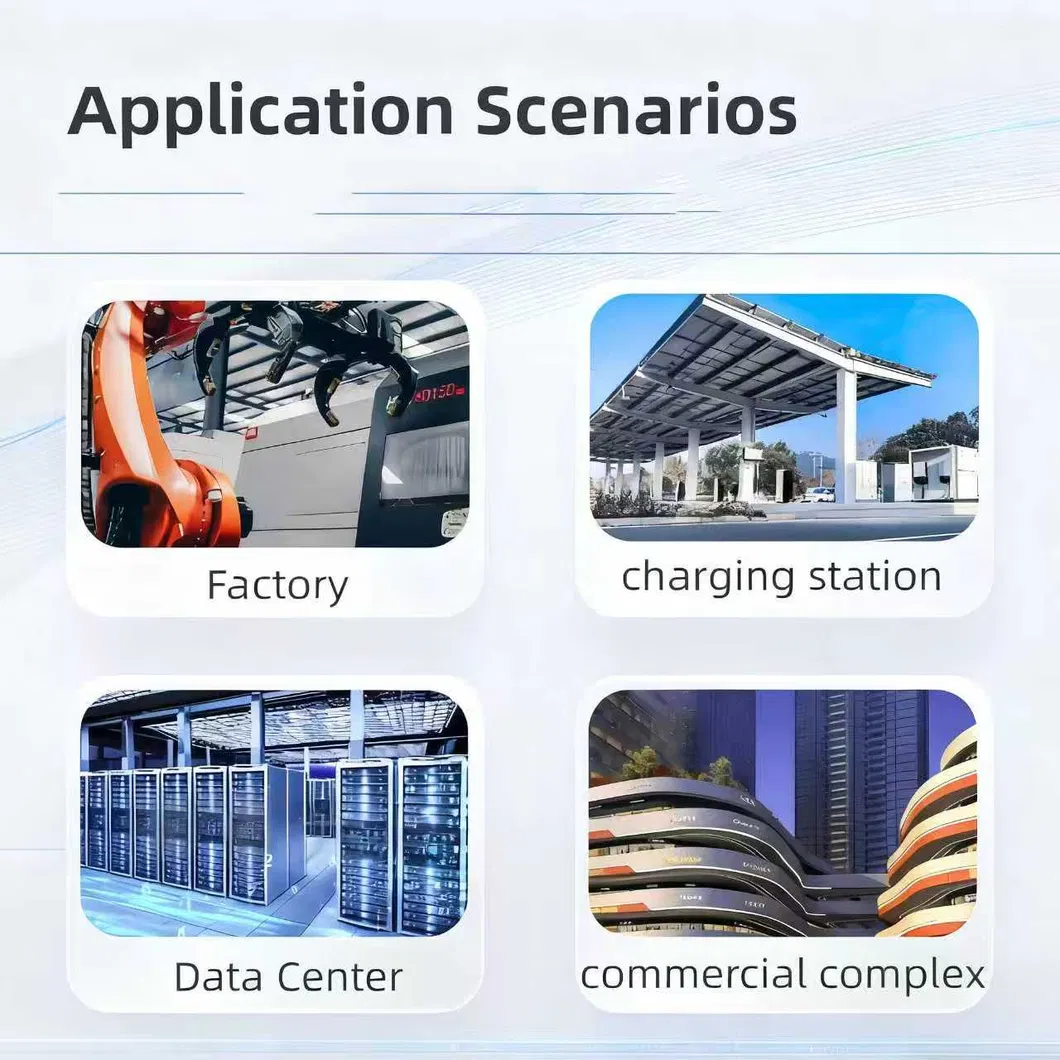
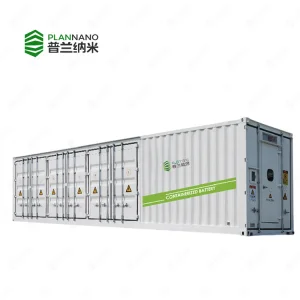
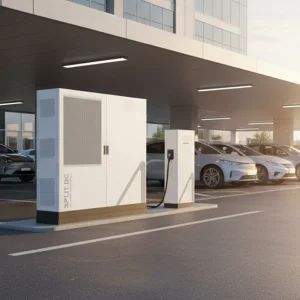
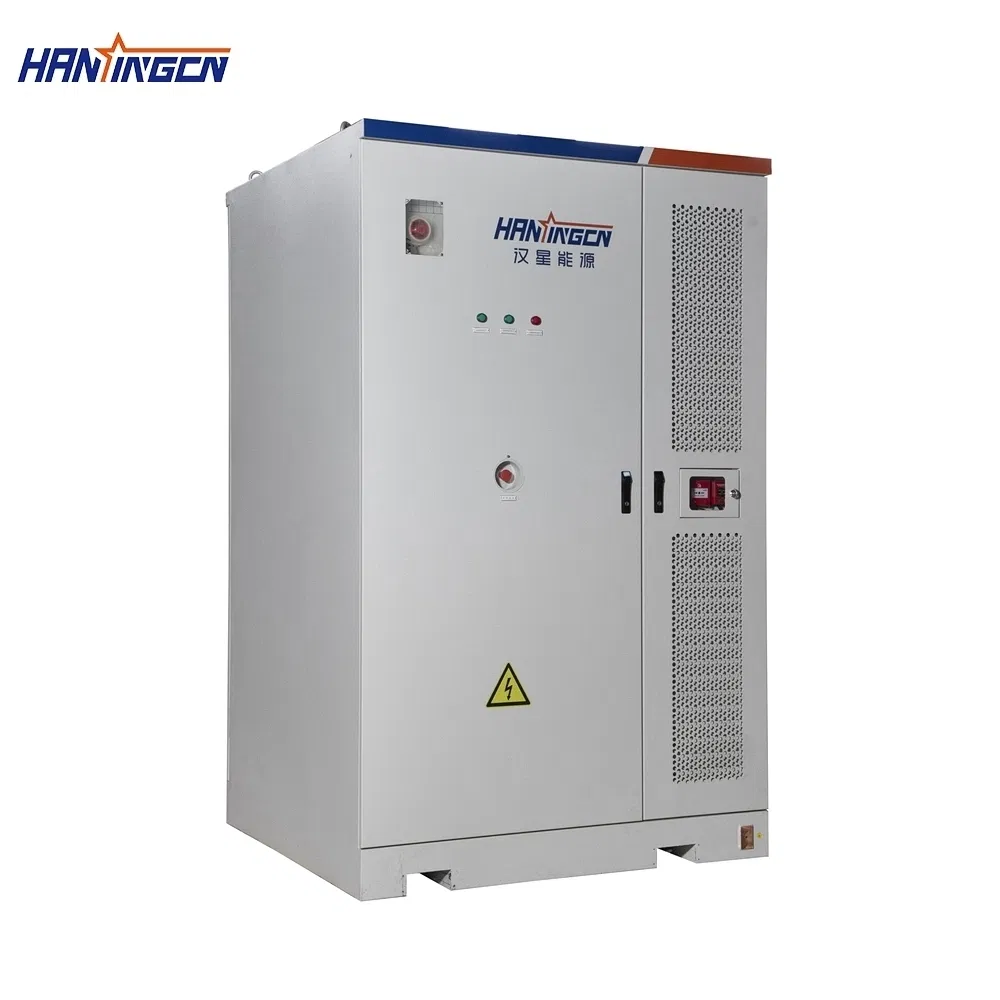
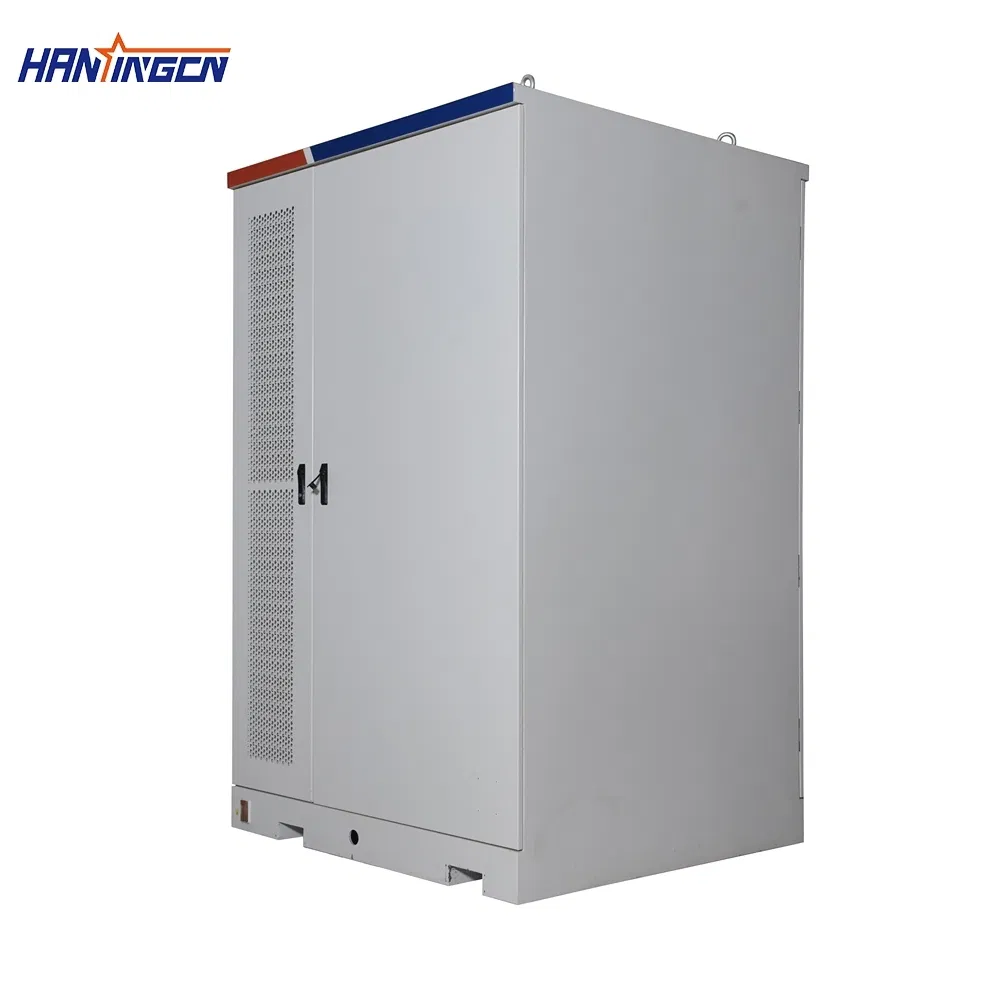
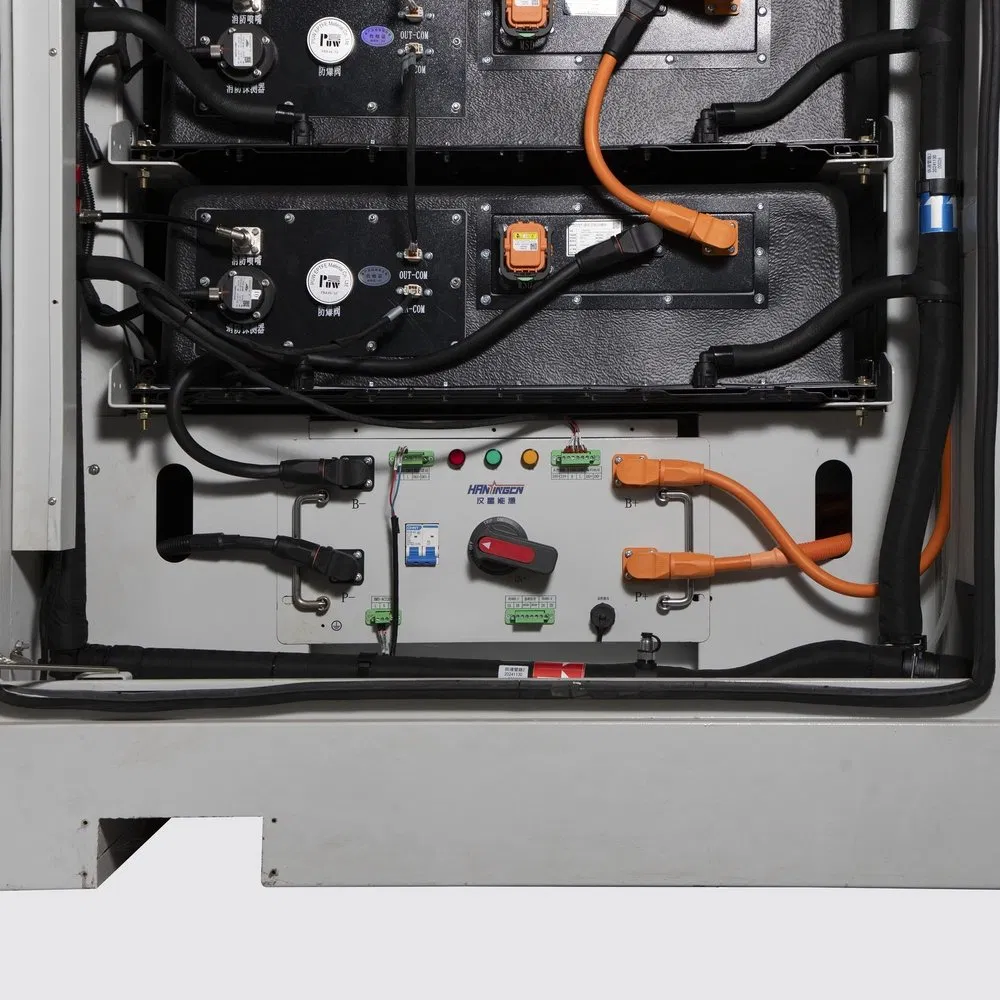
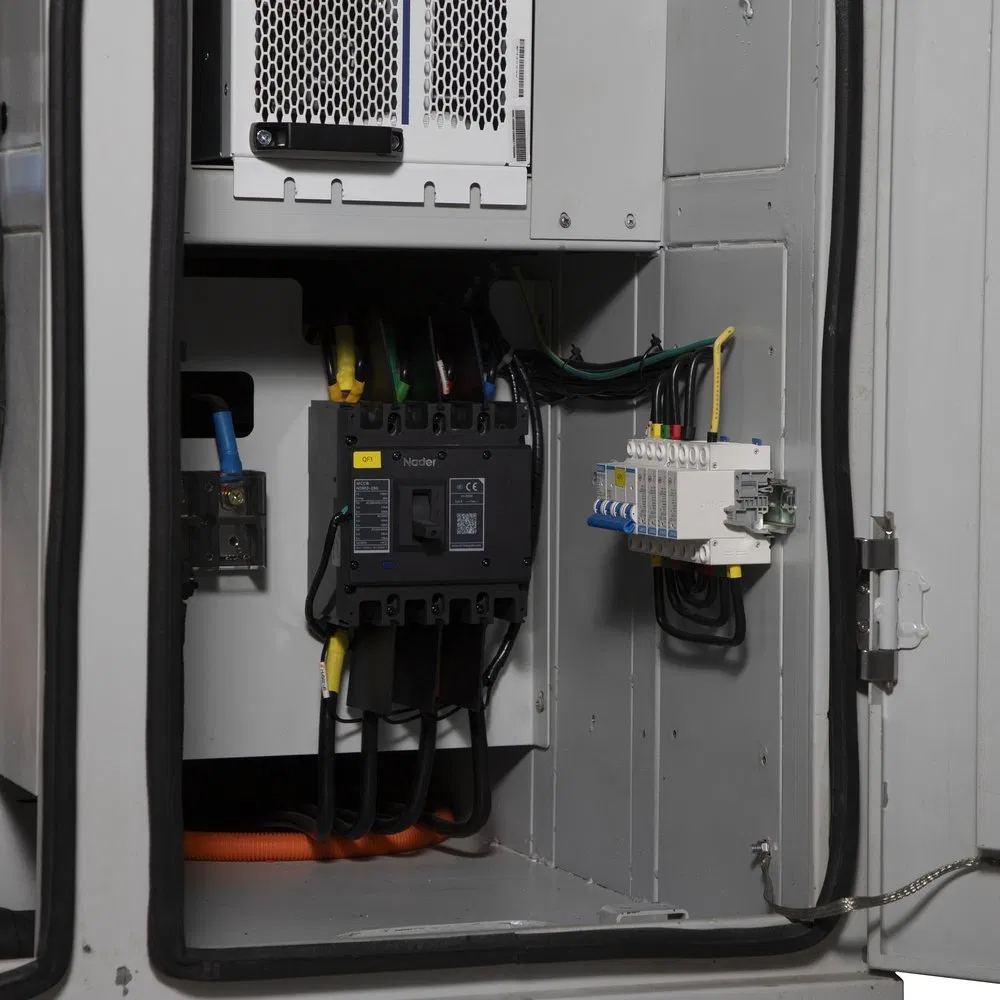
Our energy storage battery systems deliver cutting-edge power solutions designed for residential, commercial, and industrial applications. These high-performance battery systems serve as dependable emergency backup power sources, ensuring uninterrupted operation during grid outages while optimizing energy consumption for maximum cost savings.
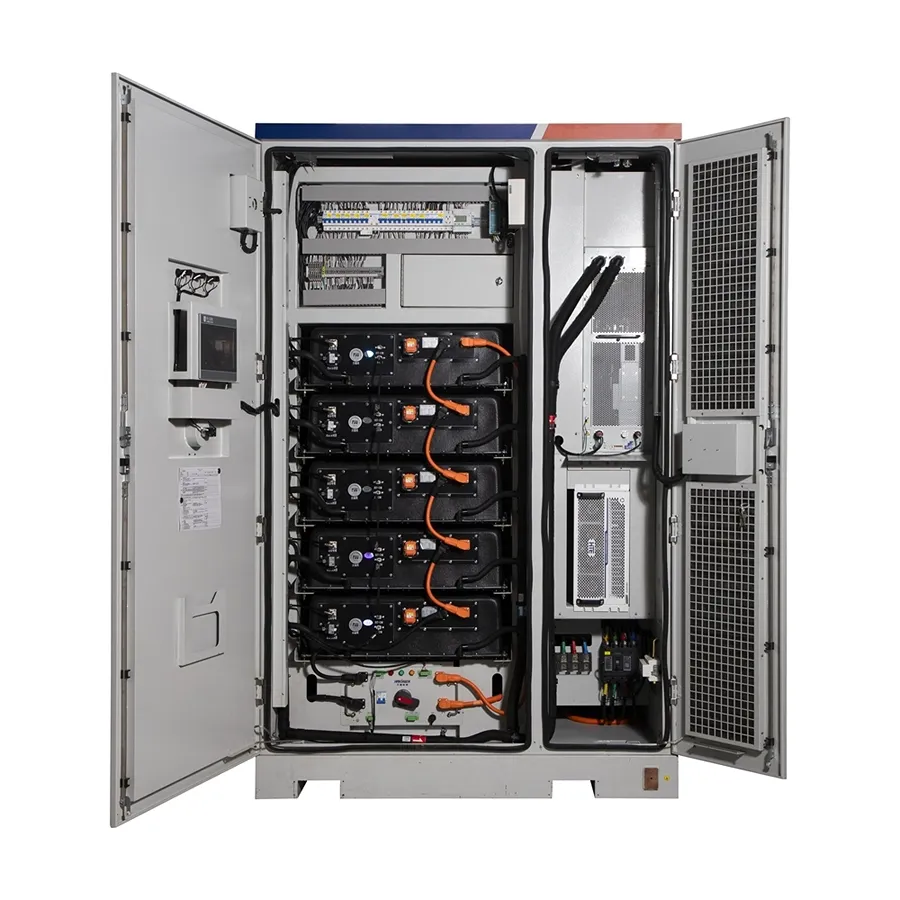
| TECHNICAL SPECIFICATIONS | |
|---|---|
| Product Name | Commercial Energy Storage Battery |
| Nominal Voltage | 230V/400V |
| Nominal Capacity | 125KW/261KWH |
| Cycle Life | 8000 cycles+ |
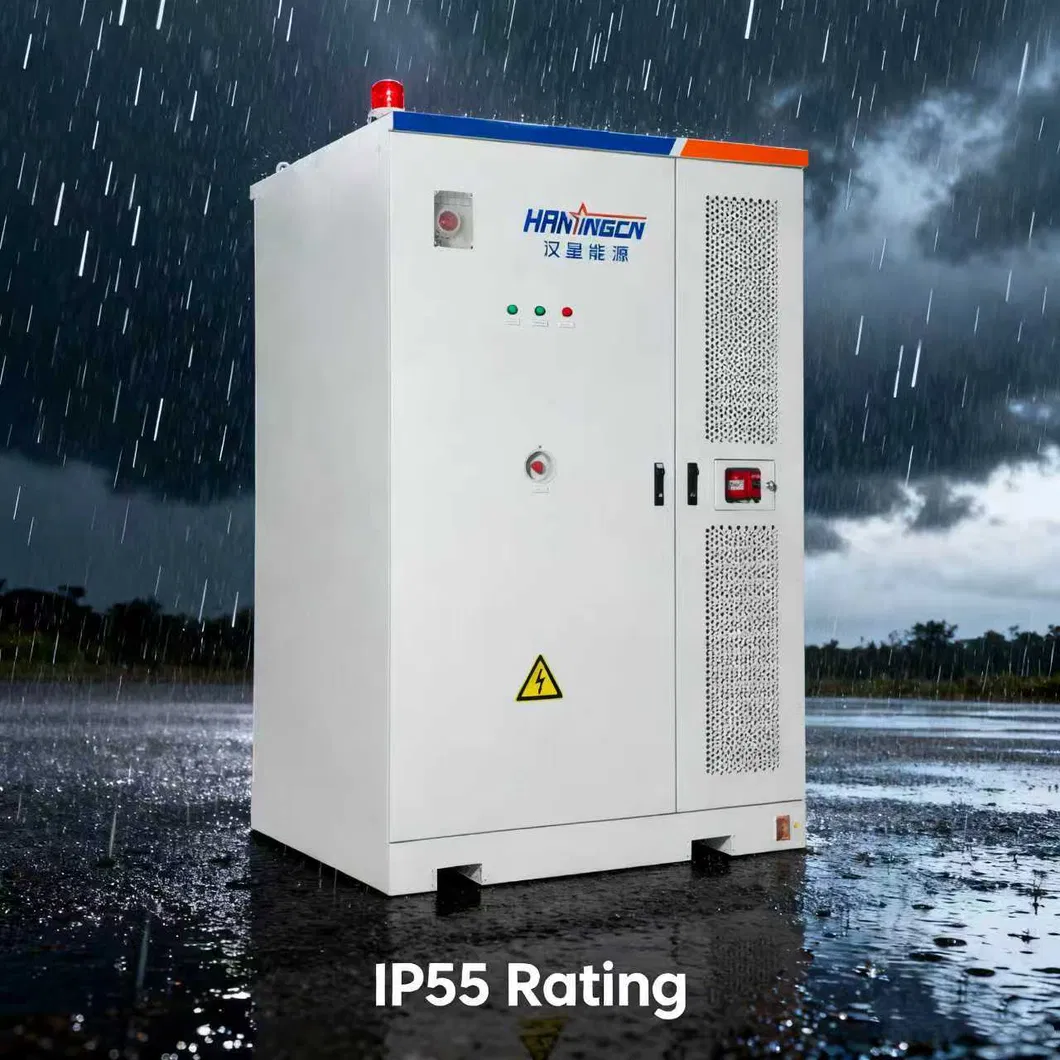
| Protection Class | IP55 |
| Cooling Method | Liquid Cooling |
| Rated Output Voltage | 400V, 3L/N/E |
| Operating Voltage Range | 650V~959V |
| Cell Type | 3.2V/314Ah LFP |
| System Efficiency | >90% |
| Communication Method | 4G/LAN |
| Operating Temperature | -25°C~55°C |
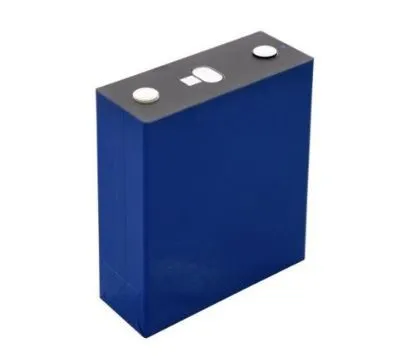
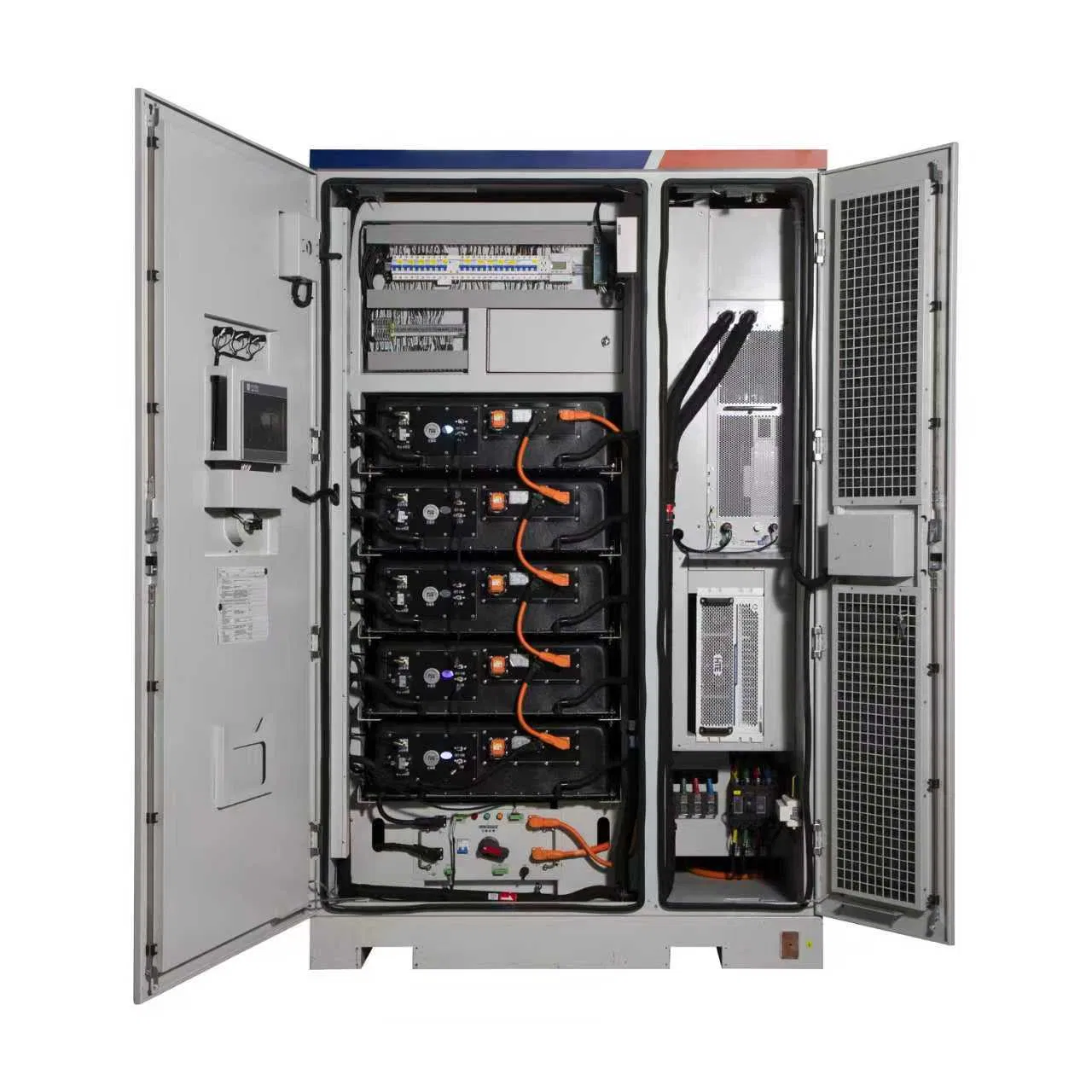
Function: Achieve the conversion between chemical energy and electrical energy, serving as the basic unit for storing electrical energy.
Advantages: High-quality cells with long cycle life can reduce long-term usage costs.
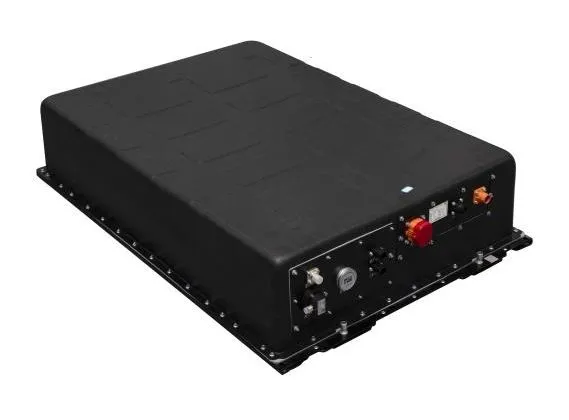
Function: Combines multiple battery cells in series and parallel to achieve stable voltage and capacity, integrates cooling and safety mechanisms.
Advantages: Modular design facilitates installation and maintenance; protective mechanism enhances system safety.
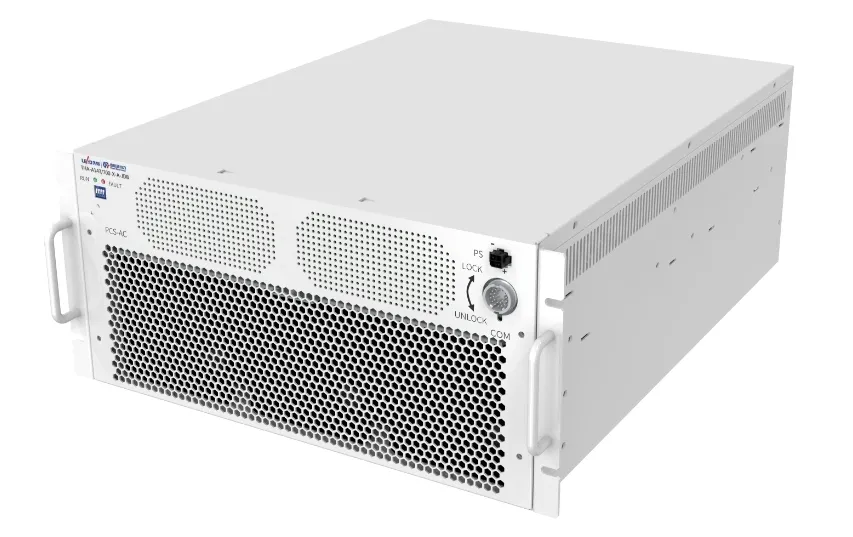
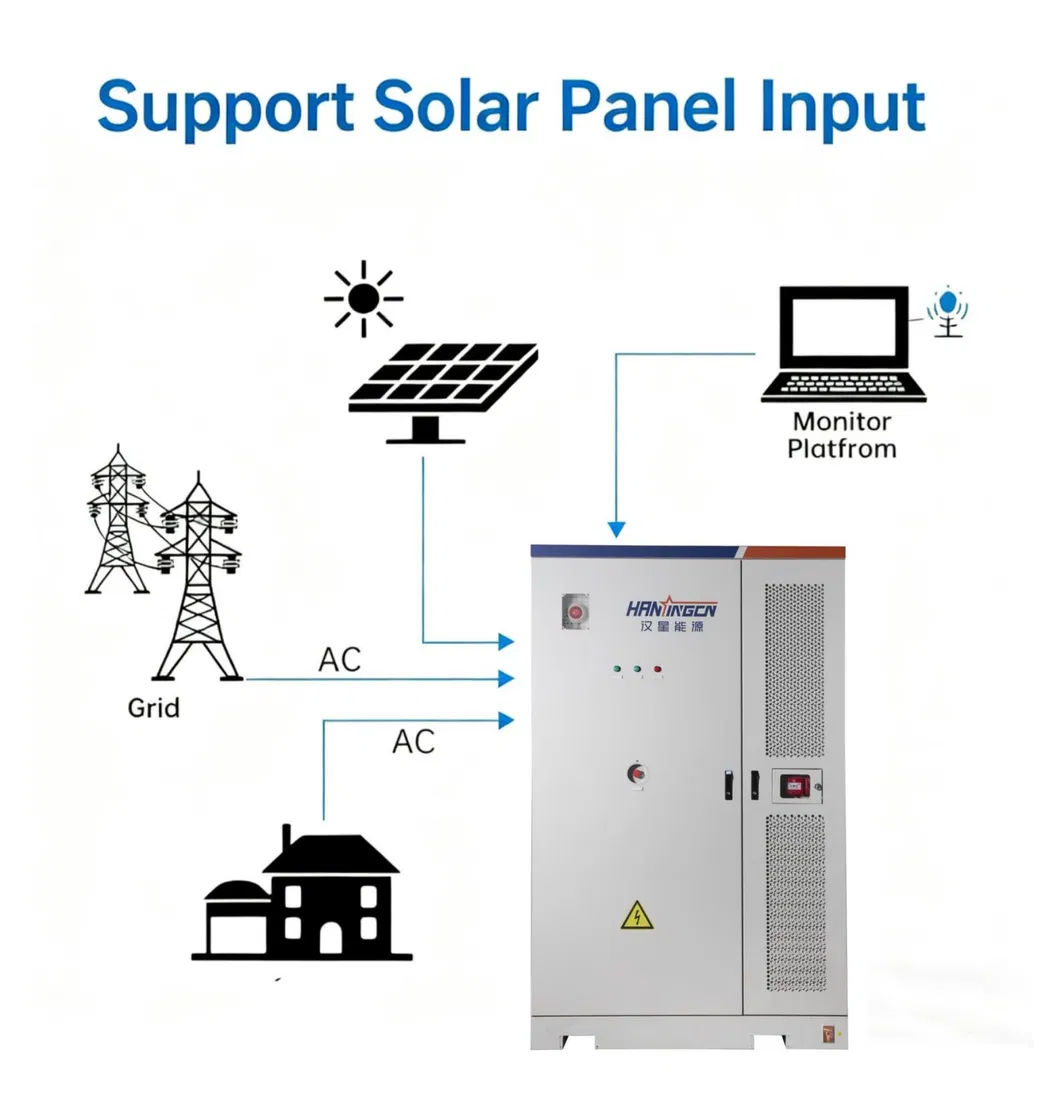
Function: Bidirectionally converts DC and AC power, enabling energy interaction between the storage cabinet, grid, and load.
Advantages: High conversion efficiency, fast response speed, and grid adaptive.
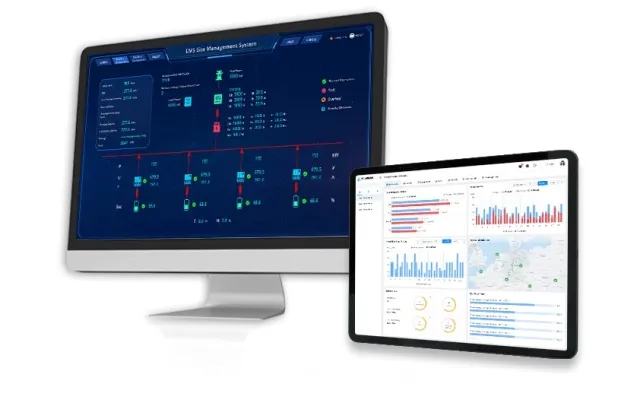
EMS Function: Real-time monitoring and optimal strategy formulation for charging/discharging.
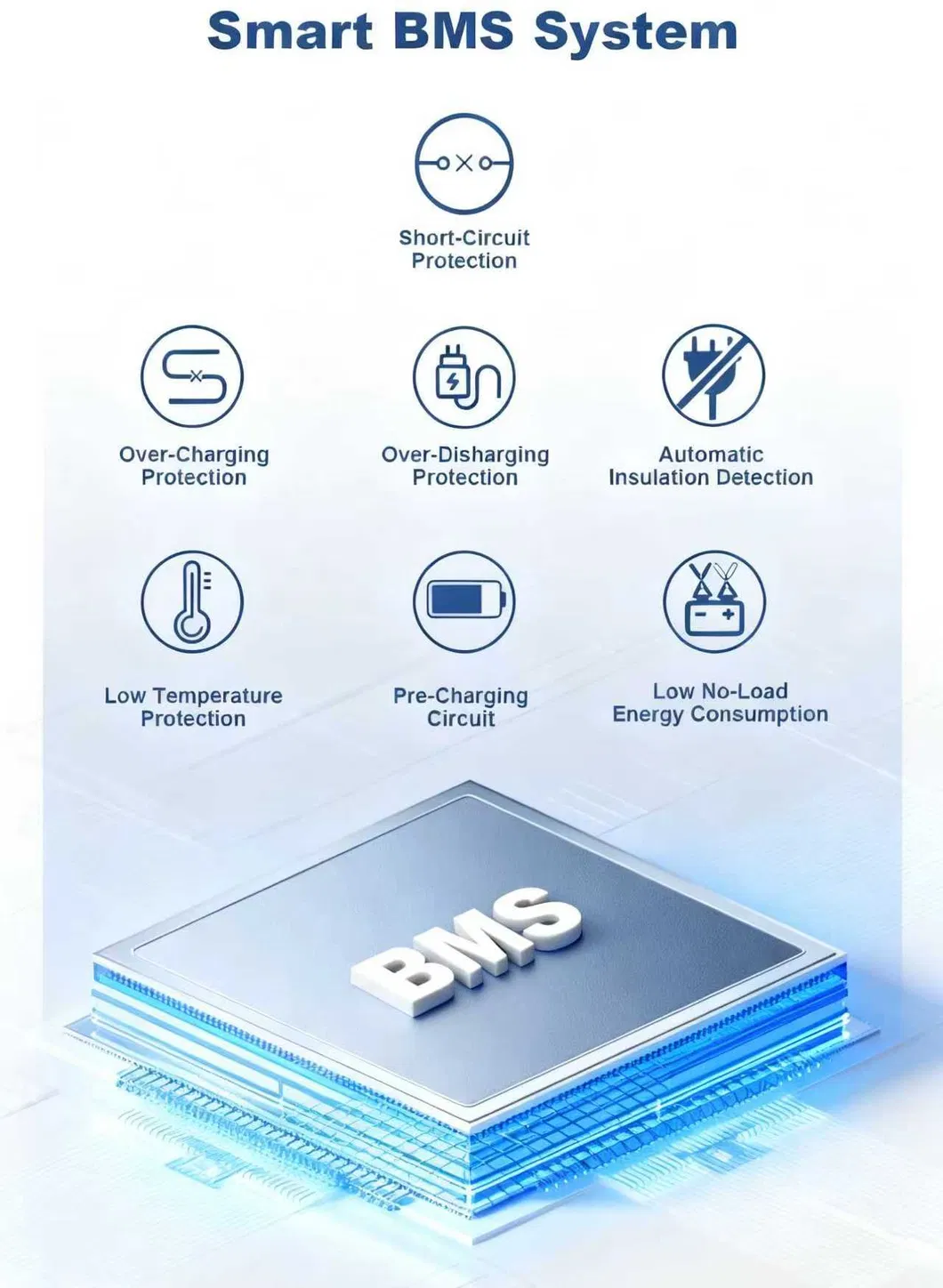
BMS Function: Monitors voltage, temperature, SOC, and SOH of each cell to ensure balanced operation and safety.
Buying low-cost electricity during off-peak hours and discharging it during peak periods to reduce corporate energy costs and maximize profit margins.
Optimizing demand to minimize short-term peak loads, lower demand charges, and enhance user revenue while avoiding costly infrastructure upgrades.
Enterprises voluntarily reduce consumption during shortages to support grid stability, earning economic incentives and contributing to sustainability.