How to Reduce Charging Costs for Electric Vehicles Effectively?

Time:2026-05-05 Author:Oliver
0%

In recent years, the adoption of electric vehicles (EVs) has skyrocketed, driven by concerns about climate change and rising fuel costs. According to a report by the International Energy Agency (IEA), EV sales reached 6.6 million units globally in 2021, accounting for nearly 9% of total car sales. However, with this growth comes the challenge of charging costs, which can burdensome for many consumers. Understanding how to reduce charging costs for electric vehicles effectively is crucial for wider adoption and sustainable practices.

Industry expert Dr. Emily Waters emphasizes the importance of strategic charging to lower expenses. She states, “By optimizing charging times and utilizing renewable energy sources, EV owners can significantly cut their electricity bills.” This highlights a practical path forward for consumers looking to save. Community-based charging infrastructure and incentives can help drive down costs further.

Despite the benefits, many EV owners remain unaware of options to reduce their charging expenses. High electricity rates, varying charging times, and dependence on non-renewable energy sources can complicate cost-saving efforts. With more education and accessible resources, there is considerable potential to make EV charging both affordable and environmentally friendly. Potential solutions are available, but awareness and action are still needed.
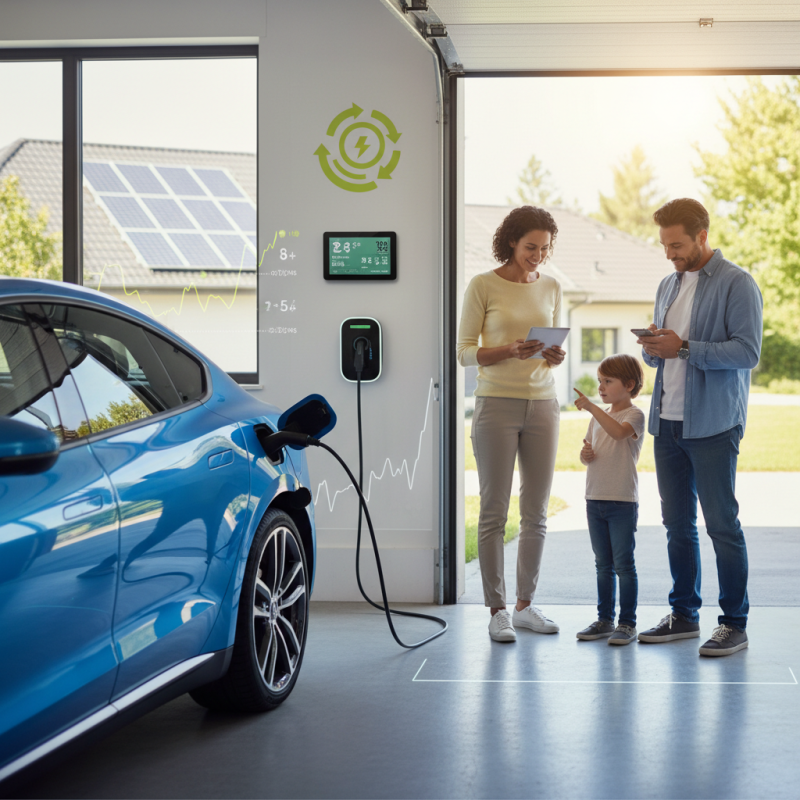
How to Reduce Charging Costs for Electric Vehicles Effectively?

Understanding Electric Vehicle Charging Costs

Understanding electric vehicle (EV) charging costs is crucial for owners. A recent report by the U.S. Department of Energy highlighted that charging at home can average around $0.13 per kilowatt-hour (kWh). This average varies widely by location. In some areas, costs can spike to $0.20 per kWh or more. Such discrepancies can significantly impact total ownership costs.

Public charging stations often present another layer of complexity. According to the International Energy Agency, charging costs at these locations can be much higher, with an average of $0.30 per kWh. Some fast-charging networks charge even more, which can become burdensome for frequent users. Remember, finding the right charging solution requires diligence. Are you using the most economical options in your area?

To mitigate high charging costs, consider time-of-use rates. Many utilities offer lower prices during off-peak hours. Additionally, a study from the National Renewable Energy Laboratory suggests that charging during these times can save EV owners considerable money long-term. Staying informed about local energy rates will help you adapt your charging habits. Are you prepared to make these adjustments?

Identifying Factors Affecting Charging Expenses

Charging costs for electric vehicles (EVs) can vary widely. Several factors influence these expenses. Understanding these factors can help users manage their budgets better.

Location is a significant factor. Charging stations in urban areas may charge higher fees. Link this to local demand and supply dynamics. A station near popular amenities may cost more than one in a less frequented area. Time of day also matters. Programs often offer lower rates during off-peak hours. This can lead to savings.

The type of charger impacts expenses as well. Fast chargers tend to be more expensive than standard ones. Users should evaluate their charging habits. If daily travel is minimal, a home charger can save money in the long run. Additionally, consider local electricity rates. Comparing tariffs from different providers can reveal savings opportunities.

Many EV owners might overlook these details. It’s crucial to assess charging options regularly. Evaluating charging frequency and location choices can guide better decisions. Balancing cost and convenience may require some trade-offs.

Utilizing Time-of-Use Pricing for Cost Savings

Time-of-Use (TOU) pricing is a game changer for electric vehicle (EV) owners. This pricing structure varies electricity rates throughout the day. By charging your EV during off-peak hours, significant savings can be achieved. For many, this means running charges overnight. The lower rates during these hours can cut costs dramatically.

However, not everyone is accustomed to TOU pricing. It requires planning and awareness. Many users may have charging habits that don't align with rate changes. For example, charging during the day can lead to higher costs. This is where habit adjustment becomes essential. Setting reminders to charge overnight can help people embrace these savings.

Evaluating your typical driving patterns is another crucial step. Some may find that modifying their daily routines can lead to better cost efficiency. Over time, tracking electricity bills will reveal the benefits of TOU pricing. Yet, it’s vital to remain adaptable. The system isn’t foolproof, and spikes in demand can occur unexpectedly. Staying informed and adjusting accordingly is key to maximizing savings.

Exploring Home Charging Options and Incentives

Home charging options for electric vehicles (EVs) play a crucial role in reducing overall costs. With over 40% of EV owners opting for home charging, the potential savings are significant. According to recent data from the U.S. Department of Energy, charging an EV at home can cost about 60% less than using public charging stations. This underlines the importance of making the right choices for home setups.

Many homeowners can install Level 2 chargers for more efficient charging. These units can provide a full charge in about four to six hours. Utility incentives can enhance the cost-effectiveness of home charging. Programs offering rebates can reduce installation costs by up to 50%. Yet, not all areas provide these incentives, which makes research essential.

While the benefits are clear, not every homeowner can install charging stations easily. Some may need significant electrical upgrades. This can lead to unexpected expenses. Potential users should evaluate their individual circumstances carefully, weighing the pros and cons. Staying informed about local regulations is also vital, as policies can change. Balancing cost, convenience, and practical installation remains a challenge for many.

Leveraging Public Charging Networks Efficiently

Public charging networks can greatly lower charging costs for electric vehicle (EV) owners. Many cities have installed charging stations in strategic locations. These stations often charge lower rates compared to home charging. Understanding where and when to charge can lead to significant savings.

Timing is crucial when using public chargers. Some networks offer discounts during off-peak hours. These times might be less convenient, but the savings can be substantial. Look for apps that help track charging costs in real-time. They can guide users to the most affordable stations nearby.

However, charging networks aren't perfect. Availability can be inconsistent, leading to frustration. Some stations may be out of service. Planning your trips around these uncertainties can be challenging. It's vital to stay informed about local charging infrastructure. Engaging with community forums helps to gather insights and updates. These discussions can enhance your charging strategy and reduce costs effectively.

FAQS

: What is the average cost of charging an electric vehicle at home?

: Charging an EV at home averages around $0.13 per kilowatt-hour, varying by location.

How do public charging costs compare to home charging?

Public charging often costs about $0.30 per kilowatt-hour, significantly higher than home rates.

What are time-of-use rates, and how can they help save money?

Time-of-use rates vary by time of day. Charging during off-peak hours can lead to substantial savings.

What is the benefit of charging overnight?

Charging overnight during lower rate periods can dramatically reduce costs for EV owners.

Why is it important to be aware of local energy rates?

Knowing local rates allows owners to adjust charging habits and take advantage of cheaper options.

Are there incentives for installing home charging stations?

Yes, some programs offer rebates that can lower installation costs by up to 50%.

What challenges might homeowners face when installing charging stations?

Some may need electrical upgrades, leading to unexpected costs and installation hurdles.

How can browsing local regulations impact home charging?

Regulations can change, affecting installation options and potential incentives. Being updated is crucial.

What should users consider about their charging habits?

Users should evaluate their routines; charging habits may need adjustment for optimal savings.

Is time-of-use pricing always beneficial?

No, it requires planning and awareness. Unforeseen spikes in demand may negate expected savings.

Conclusion

In today’s world, understanding electric vehicle charging costs is essential for EV owners seeking to save money. To effectively reduce these costs, one must identify the various factors that influence charging expenses, such as electricity rates, charging speed, and duration. Utilizing time-of-use pricing allows drivers to take advantage of lower rates during off-peak hours, significantly lowering their overall expenses.

Moreover, exploring home charging options can lead to further savings, especially when combined with available incentives that promote renewable energy sources. Additionally, leveraging public charging networks efficiently ensures that users minimize costs while maximizing their driving range. By following these strategies, EV owners can learn how to reduce charging costs for electric vehicles and enjoy a more economical driving experience.

Oliver

Oliver

Oliver is a seasoned marketing professional with a wealth of expertise in driving brand awareness and engagement. With a deep understanding of our company's product offerings, he consistently delivers high-quality content that enriches our professional blog. His insights not only shed light on......