Maintaining electric vehicle charging equipment is crucial for ensuring reliable performance. As electric vehicles gain popularity, effective upkeep becomes essential. Many users wonder how to maintain electric vehicle charging equipment to enhance its longevity and efficiency.
Regular inspections and cleaning are vital. Dust and debris can accumulate around the charging station and impede functionality. Check the connections for wear and tear; some may need replacement. A well-maintained charger will always serve your electric vehicle reliably.
Keep an eye out for software updates. Many modern chargers have smart features that require updates to perform optimally. Neglecting this can lead to performance issues. Battery performance may also decline unexpectedly if the equipment is not cared for properly. Being proactive can save you from costly repairs and downtime.
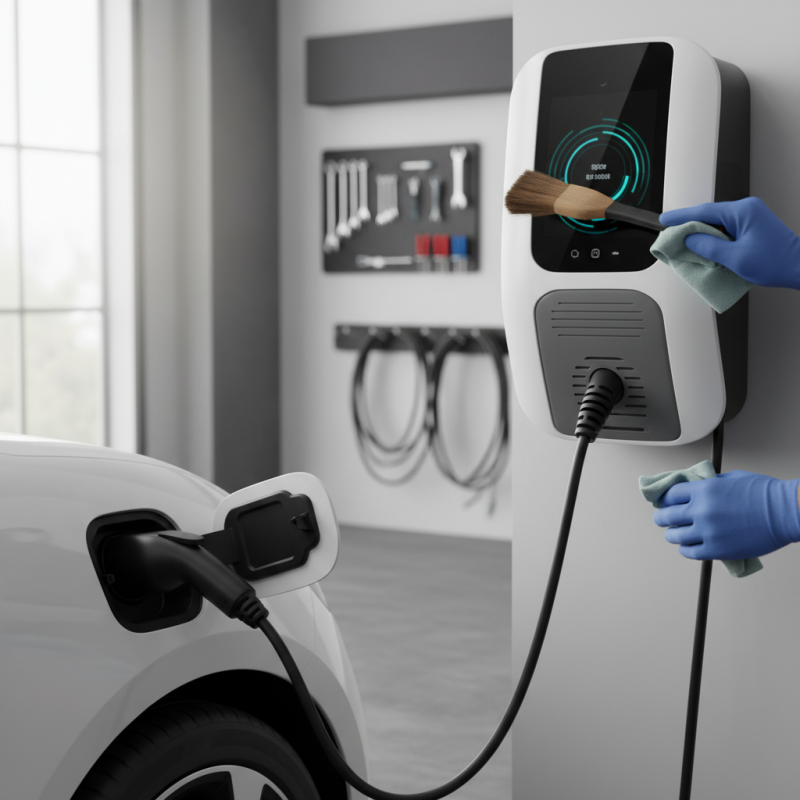
Regular maintenance of electric vehicle (EV) charging equipment is crucial. According to a report by the International Energy Agency, improper maintenance can lead to decreased charging efficiency and increased downtime. This inefficiency not only frustrates users but also affects overall charging station reliability. Keeping equipment in top condition ensures they meet the growing demand for EV charging.
Tips for effective maintenance include:
1. Schedule routine inspections every three to six months. Check for signs of wear or damage.
2. Clean connectors and cables regularly to prevent corrosion.
3. Monitor software updates and ensure the equipment is running the latest version.
Neglecting these tasks can lead to costly repairs. In fact, a survey from the U.S. Department of Energy indicated that nearly 25% of EV chargers experience operational issues due to lack of maintenance. It’s essential to recognize that these problems can often be traced back to overlooked maintenance practices.
Another consideration is user training. Educating users about proper charging procedures can minimize wear on the equipment. This includes guiding them to avoid yanking cords or forcing connections. Simple steps can make a significant difference in longevity and performance.
Understanding these maintenance needs is an ongoing challenge. Regular checks and user awareness help optimize the functionality of EV charging equipment while ensuring a reliable service for all users.
The following bar chart illustrates the recommended monthly maintenance frequency for various types of components in electric vehicle charging equipment. Regular maintenance ensures optimal performance, safety, and longevity of charging stations.
Electric vehicle (EV) charging stations face common issues that can disrupt service. For instance, a recent report highlighted that up to 30% of charging points experience some form of malfunction. These problems can stem from outdated technology, inadequate maintenance, or environmental factors. Regular checks are essential to ensure optimal performance, but many operators overlook this necessity.
Connectivity issues often arise, with reports indicating that poor network coverage results in failed transactions. ChargePoint's recent study noted that nearly 20% of users experienced connectivity problems last year. This highlights the need for reliable internet services at all charging locations. Moreover, physical wear and tear, such as damaged cables, should not be ignored. Regular inspections can prevent these issues and extend the lifespan of the equipment.
Finally, user feedback can provide crucial insights into station performance. Many EV owners report frustration with slow charging speeds. A comprehensive assessment of charging times and user experiences can guide improvements. Implementing these practices ensures a better experience for EV users while maintaining the integrity of charging infrastructure.
Inspecting your electric vehicle (EV) charging equipment is crucial for maintaining its functionality. Begin by checking the charger’s physical condition. Look for cracks, fraying cables, or signs of wear. Minor damages can lead to major issues later. Keep the area around the charger clean and free from debris. A cluttered space can create safety hazards.
Regular functionality tests are vital. Plug in your EV and ensure it charges effectively. Monitor charging times and look for any unusual sounds from the unit. If you encounter discrepancies, it might indicate a problem needing attention. Record these observations for future reference. This helps in identifying patterns over time.
Tips: Always refer to manufacturer guidelines for specific inspection routines. Inconsistent performance may require expert advice. Don't hesitate to seek professional help for repairs. Equipment should operate smoothly, and proactive measures can save time and money in the long run. Regular maintenance contributes to both safety and efficiency.
| Inspection Area | Inspection Frequency | Recommended Actions | Notes |
|---|---|---|---|
| Power Supply | Monthly | Check for voltage stability and surge protection | Ensure proper grounding |
| Cable Integrity | Monthly | Inspect for wear, cracks, and fraying | Replace damaged cables immediately |
| Connector Condition | Weekly | Check for corrosion and dirt | Clean connectors with suitable cleaners |
| Cooling System | Quarterly | Inspect vents and fans for blockage | Ensure adequate airflow |
| Overall System Functionality | Annually | Conduct a full system test | Document any issues found |
Maintaining electric vehicle charging connectors and cables
is crucial for safety and efficiency.
Regular cleaning is essential. Debris and dirt can accumulate, impacting performance.
Use a soft, lint-free cloth to wipe down connectors. Ensure that the cloth is slightly dampened with water or a mild detergent.
Avoid excessive moisture, which can cause damage.
Inspect cables for any signs of wear or fraying. A damaged cable can lead to charging interruptions or hazards.
Replace any damaged components immediately.
Always store cables in a dry place. This helps in avoiding mold or mildew growth.
Keeping connectors covered when not in use is another practical measure.
Sometimes, despite best efforts, connectors can still exhibit issues. If you notice inconsistent performance, consider having them professionally inspected.
It’s better to seek expert advice than to risk damage.
Regular maintenance can extend the life of your equipment, but it requires diligence and attention to detail.
Regular maintenance of electric vehicle (EV) charging equipment is essential. Developing a routine check-up schedule can enhance performance and extend its lifespan. A well-planned schedule should include inspections every month. Look for signs of wear and tear. Check the cables, connectors, and outlets closely.
During inspections, ensure there are no signs of damage or corrosion. Clean the equipment regularly to prevent dust accumulation. It takes just a few minutes but can make a significant difference. The usage patterns of the chargers can also be monitored. This will help to identify any anomalies or malfunctions early on.
While most EV charging stations are reliable, some might face issues down the line. Establishing a record of past maintenance can highlight recurring problems. This data is valuable for preventive measures. Learning from past mistakes will lead to better decision-making for future maintenance. Remember, regular check-ups are not just about improving longevity; they ensure safety for all users.
: Regular maintenance ensures charging efficiency and reduces downtime. Neglect can lead to decreased reliability.
Schedule routine inspections every three to six months. Regular checks help identify wear and damage.
Clean connectors and cables to prevent corrosion. This simple step enhances performance.
Neglected maintenance can result in costly repairs. Nearly 25% of chargers face issues from lack of care.
Educating users on proper charging techniques minimizes wear. Forcing connections can cause significant damage.
Record all unusual sounds or charging times. Seek professional help if issues persist.
Keep the space free from clutter and debris. A clean area prevents safety hazards.
Yes, monitoring software updates helps ensure optimal performance. Outdated software can affect efficiency.
Regularly inspect for cracks or frayed cables. Early detection prevents larger issues later.
Follow routine maintenance tips and educate users. Both actions significantly affect equipment performance.
Maintaining electric vehicle charging equipment is crucial for ensuring optimal performance and longevity. Regular maintenance helps identify common issues that may arise in charging stations, preventing potential downtimes and complications. To effectively learn how to maintain electric vehicle charging equipment, it is essential to inspect functionality through a systematic step-by-step guide.
Additionally, best practices for cleaning and maintaining charging connectors and cables should be adopted to enhance their durability and performance. Implementing a routine check-up schedule plays a significant role in prolonging the lifespan of the charging equipment and ensuring it remains reliable for users. By prioritizing these maintenance strategies, EV charging infrastructure can be kept in excellent condition to support the growing demand for electric vehicles.
VoltEdge Charging