Load balancing is a critical aspect of modern charging networks. Many users ask, "what is load balancing in charging networks?" It refers to the efficient distribution of electrical load across multiple charging stations. This process ensures that no single station is overwhelmed while others remain underutilized.
With the rise of electric vehicles (EVs), charging infrastructure must accommodate varying demand. Effective load balancing optimizes energy usage and reduces wait times for users. It also helps in managing peak loads and prevents equipment failure. However, implementing such systems can be challenging. Balancing load requires advanced technology and careful planning.
Despite its importance, many networks struggle with proper load distribution. Some stations may experience congestion, impacting user experience. This disconnect highlights the need for continued innovation and improvement in load balancing strategies. As we delve deeper into this topic, we will explore the mechanisms, benefits, and challenges of load balancing in charging networks.
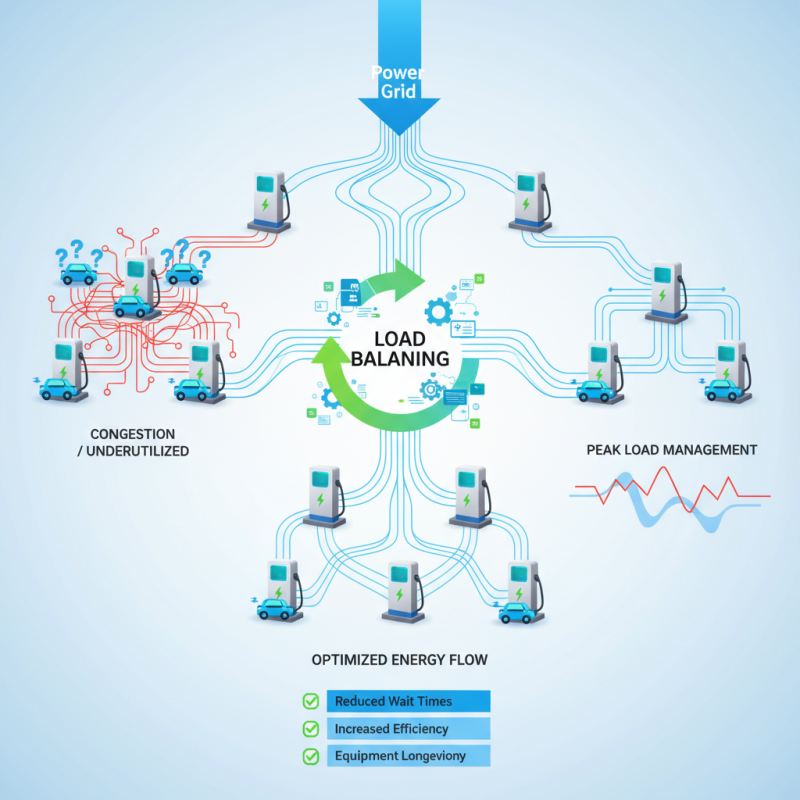
Load balancing in charging networks refers to the distribution of electrical loads across multiple charging stations. This process ensures that no single station is overwhelmed, promoting efficiency and reliability. By balancing the load, charging networks can accommodate a larger number of EVs without overloading any specific point. It involves analyzing real-time data and adjusting charging rates accordingly.
Effective load balancing requires sophisticated algorithms and real-time monitoring systems. These technologies assess the current demand at each station. They then dynamically redistribute power to maintain optimal performance. The goal is to reduce wait times and enhance user satisfaction. However, the implementation is not always flawless. Challenges arise, such as technical glitches or unexpected surges in demand.
Balancing the load involves trade-offs. For instance, prioritizing rapid charging for certain vehicles may detract from overall efficiency. This complex interaction necessitates ongoing adjustments and refinements. Operators must remain vigilant and adapt to changing conditions. An understanding of user behavior can also influence decisions in load management.
Load balancing plays a crucial role in modern charging infrastructure. As electric vehicles gain popularity, the demand for efficient charging networks increases. A well-designed load balancing system prevents overloading and ensures smooth energy distribution. This process involves distributing the electrical load evenly among charging stations.
Proper load balancing improves service reliability. Without it, some stations may experience high demand, leading to system failures. Users may face long wait times or even interruptions in service. Balancing the load helps minimize these issues, promoting a positive user experience.
However, challenges persist. Not all charging networks apply best practices for load balancing. Some might struggle with outdated technology or insufficient capacity. Continued investment in advanced solutions is necessary. As technology evolves, the need for effective load balancing becomes even more critical in supporting a sustainable future for electric mobility.
| Parameter | Description | Importance |
|---|---|---|
| Capacity Management | Ensuring optimal usage of charging stations to avoid overloading. | Prevents downtime and improves service reliability. |
| Response Time | The time taken to respond to user requests for charging. | Enhances user experience and satisfaction. |
| Energy Distribution | Balancing power distribution among multiple charge points. | Maximizes efficiency in energy consumption. |
| Scalability | Ability to add more charging units without affecting performance. | Facilitates growth in response to increasing demand. |
| Cost Efficiency | Reducing operational costs through optimized resource usage. | Ensures sustainability of charging network operations. |
Load balancing in charging networks is critical for optimizing resource use. It ensures that energy distribution is even across various charging stations. This process enhances efficiency and minimizes downtime for electric vehicle users.
Several techniques can be employed for load balancing. Dynamic load management is one such method. It adjusts charging rates and schedules in real-time to meet demand fluctuations.
Another technique is static load balancing. This method allocates energy based on predetermined patterns and usage data. Both approaches have their advantages and limitations, necessitating careful evaluation.
Algorithm-based techniques play a vital role as well. They rely on predictive analytics to forecast demand. However, these algorithms can sometimes miss transient spikes in usage. Therefore, regular updates and adjustments are necessary. Exploring these techniques can lead to better performance in charging networks. Continuous improvement in these methods can further refine load balancing efforts.
Load balancing in charging networks presents numerous challenges that organizations must navigate. A recent report highlights that over 70% of charging stations experience variable electricity demand. This fluctuation can lead to congestion, particularly during peak hours. An efficient load balancing system can alleviate this issue but implementing it is not straightforward.
One significant challenge is the integration of various power sources. Charging networks must accommodate renewable energy sources like solar and wind. However, these sources are often intermittent. According to research, less than 30% of charging stations currently utilize these renewables effectively. This lack of integration limits the potential for sustainable load balancing solutions.
Another hurdle lies in the technological infrastructure. Many existing systems lack real-time data sharing capabilities. This deficiency hampers the ability to respond to demand changes promptly. Moreover, 60% of operators reported difficulties in managing peak demand successfully without installed advanced software. This scenario reveals a need for improved technology and strategies in load balancing. Addressing these concerns is essential for future growth in charging networks.
The future of load balancing in electric vehicle (EV) charging networks is evolving rapidly. As EV adoption increases, so does the demand for efficient charging solutions. Load balancing ensures that power distribution remains stable and optimized.
Smart algorithms can predict usage patterns. They can adjust power supply to different chargers based on real-time demand. This technology can help prevent grid overload, but it requires continuous development.
The integration of renewable energy sources is another key aspect. Solar and wind can supplement power for charging stations. Load balancing technology must adapt to fluctuating energy inputs. This integration is still in its early stages and faces challenges. For example, maintaining consistent service during peak times needs more research.
Mismanagement during these moments can lead to dissatisfaction among EV users.
As technology advances, communication between vehicles and chargers will enhance load balancing. This connection can streamline energy distribution, but it adds complexity. Stakeholders must evaluate potential security risks. Ensuring data integrity is crucial for user trust. While the future looks promising, there are many lessons to learn in balancing innovation with reliability.
: Load balancing distributes electrical loads across multiple charging stations, preventing any single station from being overwhelmed.
It promotes efficiency and reliability, accommodating more electric vehicles without overloading specific stations.
Technical glitches and unexpected demand surges can complicate the effective implementation of load balancing systems.
Real-time monitoring allows systems to analyze current demand and adjust charging rates to maintain optimal performance.
Integrating renewables like solar and wind can enhance sustainability, but they are often intermittent and underutilized.
Many systems lack real-time data sharing, impeding timely responses to demand changes and leading to inefficiency.
Advances in smart algorithms will enhance demand prediction and power distribution, though this adds complexity and security risks.
Understanding user behavior helps operators make informed decisions that affect load balancing strategies and efficiency.
Rapid charging for specific vehicles may reduce overall network efficiency, requiring careful trade-offs.
Increased EV adoption raises demand for efficient charging solutions, necessitating improved load balancing strategies and technologies.
Load balancing in charging networks refers to the process of efficiently distributing the electrical load among various charging stations to optimize performance and resource utilization. This is particularly important in modern charging infrastructure, where a surge in electric vehicle adoption necessitates effective management of charging resources to prevent overloads and ensure a seamless user experience.
Several techniques are utilized for load balancing, including dynamic load distribution, demand response strategies, and real-time monitoring systems, each addressing the unique challenges of varied charging demands. However, implementing these solutions can pose significant challenges, such as infrastructure limitations and variability in user behavior. Future trends in load balancing for electric vehicle charging networks indicate advancements in smart grid technologies and increased automation, promising to enhance the efficiency and reliability of charging systems. Understanding what is load balancing in charging networks is essential for developing sustainable and resilient charging ecosystems.

VoltEdge Charging