In recent years, the electric mobility sector has gained significant traction. As more people adopt electric vehicles (EVs), the need for a robust infrastructure grows. What are the latest trends in electric mobility infrastructure? This question is crucial for understanding how cities and communities adapt to a changing landscape.
Innovations in charging technology are reshaping the infrastructure. Fast-charging stations are becoming commonplace, reducing wait times for EV users. Additionally, solar-powered charging stations are gaining popularity, promoting sustainability. However, not all regions have equal access to these advancements. Urban areas often see faster development compared to rural locations, highlighting inequalities.
Furthermore, the integration of smart technologies is transforming how users interact with charging networks. Mobile apps now enable real-time data on charge station availability. Yet, with rapid advancements, challenges remain. Regulation and standardization must catch up to these technological innovations. As we explore this topic, it is essential to reflect on both the progress and the shortcomings in electric mobility infrastructure development.
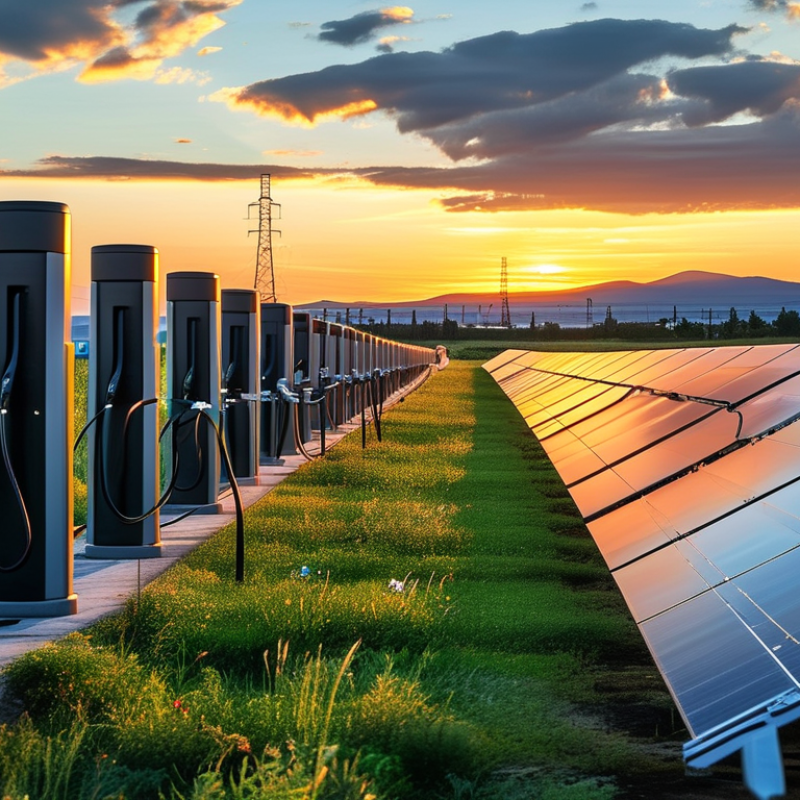
The electric vehicle (EV) revolution is accelerating, and innovative charging solutions are at the heart of this transformation. High-speed charging stations are becoming more common in urban areas, allowing drivers to recharge their vehicles quickly. These stations feature advanced technology to reduce charging times significantly. Some can deliver a full charge in under 30 minutes. This change promotes convenience for EV users.
Wireless charging is gaining traction as well. This technology allows vehicles to charge without physical connections. Inductive charging pads installed in parking spaces automatically charge the vehicle as it parks. This solution could increase adoption rates among urban dwellers who prefer hassle-free options.
Despite the progress, several challenges remain. Not every location has access to sufficient electrical infrastructure. In rural areas, charging stations are still sparse. Energy demand management is critical to avoid overloading local grids during peak hours. Addressing these issues is essential for a robust electric mobility future.
The integration of renewable energy sources in charging stations is a pivotal trend in electric mobility infrastructure. Solar panels, wind turbines, and energy storage systems are being incorporated into charging networks. This approach not only enhances the sustainability of electric vehicles but also reduces grid dependency. Users can charge their vehicles with clean energy, promoting a greener future.
Implementing renewable energy at charging stations presents challenges. The initial investment costs can be high. Site suitability and energy demand forecasts must be thoroughly addressed. It is essential to balance technology and practicality. Station operators should evaluate energy source availability in their locations.
Tips for integrating renewable energy include conducting feasibility studies. Understanding local regulations is crucial for compliance. Collaborating with experts can enhance the efficiency of installations. Engaging with local communities can also foster support for renewable initiatives. Creating informative signage about energy sources boosts awareness. Ultimately, a thoughtful approach to integrating renewables can offer significant benefits.
The shift towards electric mobility is more than just a trend; it's a necessity for sustainable urban development. Smart grids play a crucial role in this transition. According to a report by the International Energy Agency (IEA), smart grids can enhance the efficiency of energy distribution by up to 30%. This technology can manage the varying demands for electric vehicle (EV) charging at different times, prioritizing energy use when the demand is low.
Data indicates that as of 2022, over 10 million electric vehicles were on roads worldwide. The challenge lies in creating an infrastructure that accommodates this growth. Smart grids can help balance electricity supply with charging needs. They can also integrate renewable energy sources, making EV charging more sustainable. However, the implementation of smart grids requires significant investment, which can be a barrier for many regions. Challenges include outdated infrastructure and the need for widespread public adoption.
In many cases, there is a lack of awareness and understanding about smart grids among consumers. A 2023 report found that only 25% of people surveyed knew what smart grids were. Despite their potential, the road to widespread adoption is fraught with obstacles. It remains unclear how quickly regions will adapt to this technology. Continued education and advocacy will be essential in overcoming these barriers to enhance electric mobility infrastructure effectively.
The growth of electric mobility requires robust public charging networks, especially in urban areas. Recent reports indicate that electric vehicle (EV) registrations rose by 65% in major cities last year. This surge increases the need for accessible charging stations. A roll-out of fast chargers throughout metropolitan regions could support millions of additional EVs.
A study from the International Energy Agency highlights that 85% of EV charging occurs at home or work, yet this leaves a gap for urban drivers. Many still rely on public infrastructure. Cities are responding through increased investment. For instance, by 2025, some regions aim for a 200% increase in public charging points. However, this ambitious goal raises questions about land use and grid capacity.
Challenges remain. Many urban centers lack adequate space for charging stations. Areas with high vehicle density see competitive pressures over limited spots. Moreover, ongoing technology advancements, such as ultra-fast charging, must be paired with installation strategies. As the needs of EV users evolve, city planners must prioritize flexible, sustainable designs. Balancing urban growth with the demands of electric mobility infrastructure is crucial.
In recent years, battery storage and management technologies have become crucial in electric mobility infrastructure. A report from the International Energy Agency (IEA) indicates that the global energy storage market will reach 158 GWh by 2024. This growth is largely due to advancements in lithium-ion batteries, which remain the dominant technology. However, improvement is necessary in optimizing energy density and charging speeds.
Emerging technologies like solid-state batteries show promise. These batteries can potentially double the energy density of current lithium-ion models. Additionally, smart battery management systems (BMS) are becoming essential. They increase efficiency and monitor health, ensuring longer battery life. Current BMS technologies can reduce energy losses by up to 7%. Despite these advancements, challenges remain. High manufacturing costs and scalability issues hinder widespread adoption.
The push for sustainability has led to innovative solutions such as recycling and second-life applications for batteries. According to the Circular Energy Storage Initiative, nearly 95% of battery materials can be recycled. However, adoption rates for these practices are still low. More awareness and investment are needed to create a circular economy in battery usage. As the electric mobility sector grows, these storage technologies will play a crucial role in shaping its future.
: Smart grids enhance energy distribution efficiency and manage EV charging demands effectively.
Over 10 million electric vehicles were registered globally by 2022.
High investment costs and outdated infrastructure are significant barriers for many regions.
Only 25% of surveyed people understand smart grids. Awareness is essential for adoption and utilization.
About 85% of EV charging happens at home or work, but urban charging remains crucial.
Cities are investing heavily to aim for a 200% increase in charging points by 2025.
Limited space and high vehicle density lead to competition for charging spots in cities.
Balancing urban development and electric mobility needs is crucial but often challenging.
Advancements in charging technology require careful installation and planning to meet user needs.
Questions about land use and grid capacity arise with ambitious charging station targets in cities.
The landscape of electric mobility infrastructure is rapidly evolving, showcasing several key trends that are shaping its future. One significant trend is the emergence of innovative charging solutions for electric vehicles, which enhance convenience and accessibility for users. Additionally, the integration of renewable energy sources within charging stations is becoming increasingly important, promoting sustainability and reducing dependence on fossil fuels. As cities expand their public charging networks, it's crucial to accommodate the growing number of electric vehicles on the road.
Furthermore, the development of smart grids plays a pivotal role in supporting electric mobility by optimizing energy distribution and enhancing the efficiency of charging stations. Another trend is the advancement in battery storage and management technologies, which is critical for improving the performance and lifespan of electric vehicles. These factors collectively answer the question of what are the latest trends in electric mobility infrastructure, reflecting a commitment to a greener and more efficient transportation system.

VoltEdge Charging