10 Effective Tips to Optimize Energy Usage in Charging Stations?

Time:2026-06-10 Author:Mason
0%

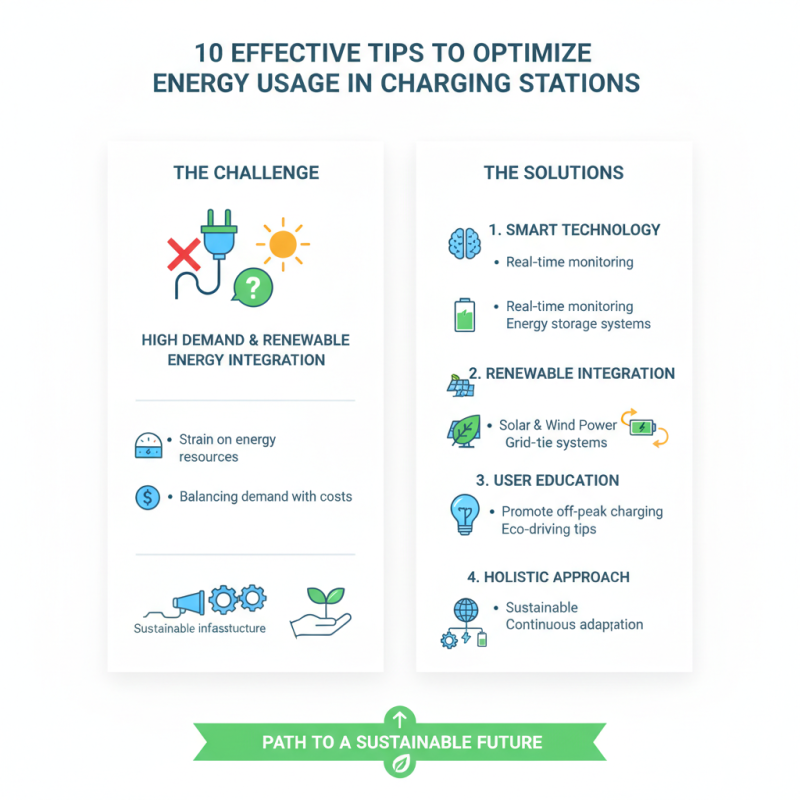
Charging stations play a pivotal role in the electric vehicle (EV) ecosystem. As their use increases, optimizing energy consumption becomes crucial. Understanding how to optimize energy usage in charging stations is essential for both efficiency and sustainability. The challenge lies in balancing demand with renewable energy sources while minimizing costs.

High demand can strain our energy resources. It is important to consider how to utilize smart technology effectively. For instance, real-time monitoring can help identify peak usage times. This allows operators to adjust energy allocation. Furthermore, energy storage systems can provide backup during high-demand periods.

Adopting a holistic approach can lead to significant improvements. Investing in user education can raise awareness about energy-efficient practices. However, challenges remain. Not all stations have equal access to renewable energy. Finding feasible solutions requires ongoing reflection and adaptation. Ultimately, every step taken to optimize energy usage helps pave the way for a more sustainable future.
10 Effective Tips to Optimize Energy Usage in Charging Stations?

Understanding Energy Consumption in Charging Stations

Charging stations serve as critical hubs in the electric vehicle ecosystem. As their usage increases, understanding energy consumption becomes essential. Factors such as location, equipment, and time of day significantly impact energy efficiency. By analyzing these elements, charging station operators can optimize energy flow and reduce costs.

One effective tip is to choose the right charging equipment. Not all chargers are created equal. It’s important to select chargers that match the needs of vehicles in the area. For instance, fast chargers might be ideal for high-traffic locations, while slower chargers can work well in areas with less demand.

Another tip focuses on schedule management. Operate charging stations during off-peak hours to capitalize on lower energy costs. This strategy could enhance overall profitability. Furthermore, regular maintenance is key. A malfunctioning charger can waste energy and frustrate users. Monitoring energy consumption continuously allows for adjustments and improvements, keeping the station relevant and effective.

10 Effective Tips to Optimize Energy Usage in Charging Stations

Tip Description Expected Energy Savings (%) Implementation Difficulty
Smart Scheduling Use software to schedule charging during off-peak hours. 20% Medium
Energy Management Systems Implement systems to monitor and control energy usage. 15% High
Renewable Energy Integration Install solar panels or use wind energy to power stations. 30% High
Use of Energy-Efficient Chargers Adopt high-efficiency charging technology. 25% Low
Regular Maintenance Perform regular checks on chargers for efficiency. 10% Medium
User Education Provide information on optimal charging practices. 5% Low
Time-of-Use Pricing Implement pricing based on peak vs off-peak hours. 18% Medium
Load Balancing Distribute energy loads across multiple chargers. 22% Medium
Data Analytics Analyze usage data to identify inefficiencies. 12% High
Stakeholder Engagement Collaborate with local governments and utilities. 10% Medium

Implementing Smart Charging Technologies for Efficiency

Smart charging technologies can significantly enhance energy optimization at charging stations. According to a 2022 report by the International Energy Agency, incorporating smart systems can reduce energy waste by up to 30%. This is crucial as demand for electric vehicles continues to surge. In 2021 alone, electric car sales grew by 108%, emphasizing the need for efficient charging solutions.

The integration of demand response systems can further balance energy consumption. These systems adjust charging loads based on peak and off-peak hours, reducing strain on the grid. A study from the Department of Energy found that such systems could save up to $1.5 billion in energy costs annually across the United States. However, this technology is still underutilized, indicating a gap in awareness among station operators.

Moreover, real-time data collection plays a pivotal role in optimizing energy usage. Charging stations equipped with advanced monitoring systems can track usage patterns and peak times, facilitating better resource allocation. Despite these benefits, many stations lack the infrastructure to implement these technologies effectively. Addressing this gap is essential for the future of sustainable energy solutions in the EV landscape.

Energy Usage Optimization in Charging Stations

Utilizing Renewable Energy Sources for Charging Stations

Charging stations can significantly benefit from renewable energy sources. Solar panels offer a practical solution for harnessing sunlight. By installing them on rooftops or nearby areas, stations can generate electricity while reducing their carbon footprint. Wind turbines can complement solar energy, especially in regions with high average wind speeds. Both options provide reliable energy, cutting costs and enhancing sustainability.

Utilizing renewable sources requires careful planning. Not all locations receive the same sunlight or wind. This variation can affect energy production. A feasibility study is crucial before installation. Additionally, integrating storage solutions like batteries can help manage energy flow. Stations need to prepare for times when renewable production is low. This can lead to dependence on traditional energy sources during peak demands, which may negate some environmental benefits.

It’s vital to involve community stakeholders in the planning process. They can provide local insights and support for renewable projects. However, not every effort will result in success. Regular assessments and adaptations will be necessary to optimize performance. While renewable energy can pave the way for greener charging stations, ongoing reflection and adjustments are key components for achieving long-term goals.

Establishing Energy Management Systems for Optimization

Establishing an effective energy management system is crucial for optimizing charging stations. These systems can track energy consumption in real-time. By analyzing data, operators can identify peak usage hours and adjust supply accordingly. This can lead to more efficient energy distribution and cost savings.

Regular maintenance of charging equipment is also essential. Faulty chargers can increase energy consumption unnecessarily. Operators should regularly inspect and repair faulty infrastructure. These actions can help ensure that charging stations operate smoothly and use energy efficiently.

Training staff on energy management best practices adds value. Well-informed employees can make better decisions regarding energy usage. Simple actions, such as turning off unused chargers, can significantly reduce energy waste. Continuous education about new energy-saving technologies is beneficial too. Accepting that improvement is ongoing helps foster a culture of efficiency at charging stations.

Conducting Regular Maintenance to Ensure Peak Performance

Regular maintenance is crucial for charging stations to operate effectively. Over time, wear and tear can affect performance. Failing to address small issues can lead to bigger, costlier problems later. This is why routine checks play a vital role. Technicians should examine charging cables, connectors, and the overall electrical system.

Monitoring software is also important. It can provide real-time data about the station's usage and performance. Anomalies can be detected early, preventing unexpected downtime. Regular software updates ensure compatibility with new electric vehicles. This way, the station remains efficient and user-friendly.

Often, owners overlook signage and user instructions. Clear, well-placed signs guide customers effectively, minimizing confusion. However, signage should also be maintained. Faded text or broken displays can discourage users. Reflection on these small details can enhance user experience, ultimately leading to increased satisfaction and loyalty.

FAQS

: Why is establishing an energy management system important for charging stations?

: It tracks real-time energy consumption and optimizes usage, leading to efficiency and cost savings.

How can energy management systems help identify peak usage hours?

By analyzing data, operators can determine when demand is highest and adjust the energy supply accordingly.

What should operators do to maintain charging equipment?

They should regularly inspect and repair chargers to prevent unnecessary energy consumption due to faulty equipment.

Why is staff training on energy management essential?

Well-informed staff can make better decisions, like turning off unused chargers, reducing waste effectively.

What role does regular maintenance play in charging station performance?

Routine checks can prevent small issues from escalating into larger, more costly problems affecting operation.

How does monitoring software contribute to station efficiency?

It provides real-time data that helps detect anomalies early, preventing unexpected downtime and ensuring compatibility.

What is the importance of signage at charging stations?

Clear signs guide customers effectively, but they require maintenance to remain effective and prevent user confusion.

What small details can impact user experience at charging stations?

Faded text or broken signs can discourage use, highlighting the need for regular reflection on these aspects.

How often should charging stations undergo maintenance checks?

Regularly scheduled checks help ensure all equipment remains functional and efficient over time.

How can ongoing improvement foster a culture of efficiency?

Accepting that there’s always room for improvement encourages continuous learning and implementation of best practices.

Conclusion

Understanding how to optimize energy usage in charging stations is crucial for enhancing efficiency and sustainability. Implementing smart charging technologies can significantly improve energy distribution and reduce waste. By utilizing renewable energy sources, such as solar or wind power, charging stations can minimize their carbon footprint and dependency on non-renewable resources.

Additionally, establishing effective energy management systems allows operators to monitor and adjust energy consumption actively, leading to significant cost savings. Regular maintenance of charging infrastructure ensures peak performance, allowing stations to operate at their fullest potential. By following these strategies, operators can effectively manage energy resources and promote an eco-friendly charging environment.

Mason

Mason

Mason is a seasoned marketing professional with a deep expertise in the company's offerings and a passion for driving brand awareness. With a strong background in digital marketing strategies, he has an innate ability to connect with diverse audiences and effectively communicate product benefits.......