As electric vehicles gain popularity, businesses must consider their role in charging infrastructure. Many may wonder, “what are the benefits of commercial charging stations?” This question holds relevance for various industries, from retail to hospitality. By investing in charging stations, businesses can enhance customer experience and boost brand loyalty.
Commercial charging stations not only attract EV drivers but also offer essential convenience. Customers appreciate the opportunity to charge their vehicles while shopping or dining. This creates a unique selling point. Furthermore, such stations can help enhance a company's reputation as environmentally responsible. Sustainability is a powerful marketing tool today.
However, not every business realizes the potential of charging stations. Initial installation costs and maintenance concerns may seem daunting. It's important to analyze expected returns. The right investment in charging infrastructure can result in increased foot traffic and a better overall customer experience. Ultimately, understanding the benefits of commercial charging stations can pave the way for a more sustainable business model.
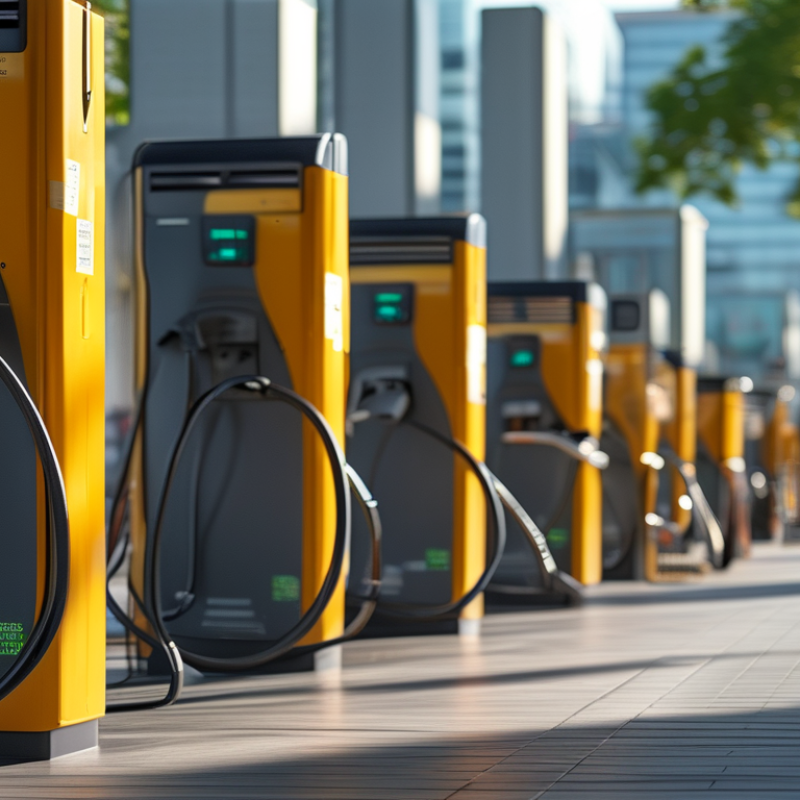
Commercial charging stations can significantly enhance customer experience. They provide convenience for electric vehicle (EV) owners, allowing them to charge while shopping or dining. This service creates a welcoming atmosphere that encourages customers to spend more time at your business. Imagine a customer fully engaged in their shopping, knowing their vehicle is charging nearby. It’s a win-win for both parties.
Offering charging stations can also attract new clientele. EV owners often seek out locations with charging facilities. By providing this amenity, businesses can increase foot traffic. Some customers may choose your business over competitors, simply because of the available charging options. This can lead to higher sales and better customer loyalty.
Tips: Consider the placement of your charging stations. Visibility is key. Customers should easily find the charging spots. Also, think about the types of chargers offered. Fast chargers may cater to those in a hurry. However, regular chargers can also be useful for long-staying customers. This strategy allows you to cater to different needs and usage patterns.
| Benefit | Description | Impact on Customer Experience |
|---|---|---|
| Convenience | Provides an easy charging solution for customers who drive electric vehicles. | Enhances customer satisfaction and encourages longer stays. |
| Increased Foot Traffic | Attracts EV owners who specifically seek out charging stations. | Potential growth in new customers and repeat visitors. |
| Brand Image | Positions the business as environmentally conscious and forward-thinking. | Appeals to eco-minded customers and enhances loyalty. |
| Monetization Opportunities | Charging stations can be a source of revenue through charging fees. | Provides additional income while customers use other services. |
| Customer Loyalty | Offering charging stations can help retain customers who own EVs. | Encourages repeat business and enhances loyalty to the brand. |
| Compliance with Regulations | Helps businesses meet growing regulatory demands for EV infrastructure. | Ensures continued operation without legal hindrances. |
| Differentiation | Sets the business apart from competitors who do not offer charging. | Attracts customers seeking convenient charging options. |
| Partnership Opportunities | Creates possibilities for partnerships with charging network providers. | Enhances service offerings and operational efficiency. |
| Community Engagement | Encourages community engagement through sustainable practices. | Improves community relations and public perception. |
| Impact on Sales | Increases sales due to customers spending time at the business while charging. | Boosts revenue through ancillary purchases. |
: Installing charging stations can lower upfront costs with tax incentives and improve return on investment.
Charging stations signal a commitment to sustainability, attracting environmentally aware customers and enhancing brand image.
Yes, many governments offer grants to help offset installation expenses for commercial charging stations.
The process can be complex and varies by location; businesses may face challenges navigating it.
No, the eligibility criteria differ; not all businesses can claim these incentives.
A thorough analysis looks at potential return based on location and usage rates before making a decision.
Assess local market demand, consumer habits, and long-term sustainability goals for better investment decisions.
Yes, they can attract more customers who drive electric vehicles, benefiting businesses significantly.
Focus on authentic practices and foster a culture of sustainability within the organization.
Careful planning ensures that the investment aligns with overall business goals and market needs.
Commercial charging stations offer numerous advantages for businesses looking to enhance customer experience and promote sustainability. One of the key benefits is the ability to attract more foot traffic, as customers are likely to choose locations that provide charging facilities. This increased dwell time can translate into higher revenue as visitors spend more time shopping or utilizing services while their vehicles charge.
Moreover, these stations contribute to environmental sustainability by supporting green initiatives and reducing the carbon footprint. Businesses can also benefit from potential tax incentives and grants for installing charging infrastructure, making it a cost-effective investment. Additionally, offering charging stations improves a company’s image, appealing to eco-conscious consumers who prioritize sustainable practices. In summary, understanding what are the benefits of commercial charging stations is crucial for businesses aiming to leverage these opportunities for growth and positive environmental impact.

 VoltEdge Charging