Choosing the best EV charging system in 2026 requires more than comparing charging speed and connector types. Renewable integration changes the decision. A home charger may work with rooftop solar, battery storage, grid electricity, or several sources together. The strongest systems balance safety, reliability, energy costs, and daily driving needs.
This guide examines how to integrate renewable energy with charging systems in practical settings. It considers solar-aware charging, dynamic load management, bidirectional capabilities, weather protection, and software accuracy. It also evaluates installation quality, warranty coverage, maintenance support, and compatibility with current EV models. These details matter when a charger operates beside a 7-kilowatt solar array or a small home battery.
There is no universal winner. A fast charger may increase household demand during cloudy afternoons. A cheaper unit may provide fewer monitoring tools. Forecasts can fail. Batteries also lose capacity over time. That caveat matters.
Reliable recommendations should come from manufacturer documentation, certified installers, independent testing, and transparent performance data. Buyers should verify electrical capacity before installation. They should also check local grid requirements and available renewable incentives through official sources. This article compares leading charging approaches for homes, workplaces, and small commercial sites. It focuses on realistic use, not impressive specifications alone. The best system is often the one that quietly delivers safe charging, clear energy data, and manageable costs for many years.
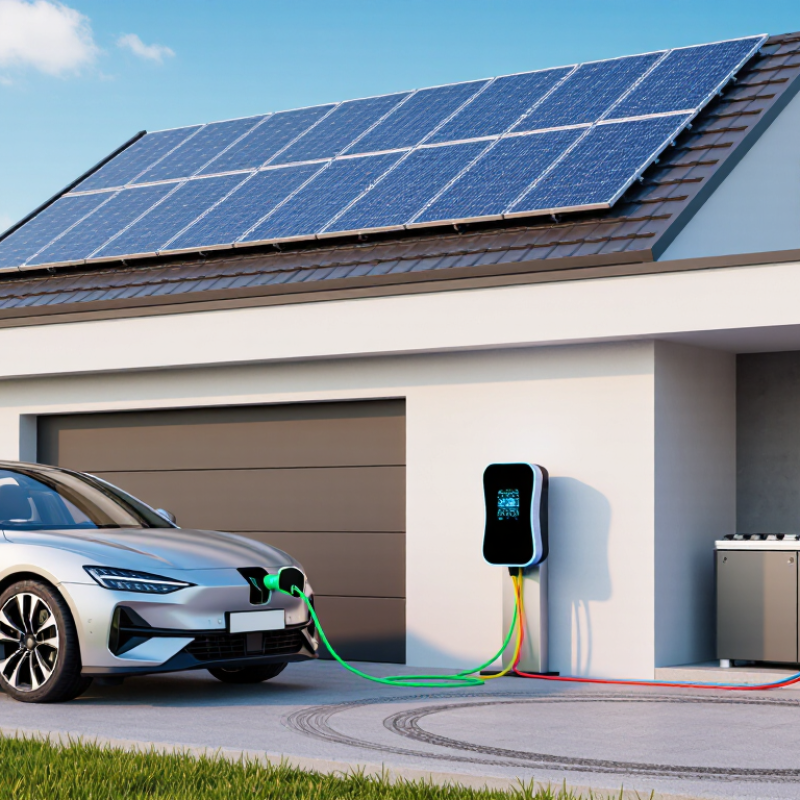
In 2026, renewable-energy EV charging depends on matching charger power with daily driving needs. AC Level 2 systems commonly deliver 7 to 22 kW through an EV’s onboard charger. They suit homes, workplaces, apartments, and overnight parking. A 60 kWh battery may need several hours, depending on vehicle efficiency and charging limits. Solar panels can supply daytime charging, while smart controls shift demand away from expensive grid periods.
DC charging systems work differently. They send converted power directly to the battery, avoiding the vehicle’s onboard AC charger. Output can range from 50 kW to 350 kW, but the vehicle, cable, battery temperature, and station capacity determine actual speed. A 350 kW label can mislead. Many vehicles accept less, and charging usually slows after the battery reaches a high state of charge. Heat management also matters.
Renewable integration needs more than rooftop solar. A site assessment should check transformer capacity, parking patterns, weather, and local electrical requirements. Battery storage can smooth cloudy periods and reduce sudden grid demand. In practice, oversized DC equipment may look impressive but remain underused. Smaller AC chargers can deliver better value when cars stay parked for eight hours. I have seen planning assumptions fail when winter sunlight and fleet schedules were ignored. That weakness deserves attention. Qualified electrical professionals should verify protection, grounding, communications, and emergency access before installation.
An effective EV charging system should connect vehicles with local renewable power, not merely display a green-energy label. Site assessments often begin with the solar resource, charger load, and daily driving patterns. A workplace may generate surplus electricity at noon, while most vehicles arrive after sunset. That timing gap matters.
Solar panels can supply daytime charging and reduce dependence on grid electricity. A battery can store midday generation for evening drivers, but its size should match actual demand. Oversizing storage increases costs and embodied emissions. Smart charging can delay flexible sessions when renewable output is low. It can also protect the site from expensive demand peaks. Small changes make a visible difference.
True 24/7 clean-energy matching requires hourly energy data, verified renewable generation, and careful accounting. Annual renewable certificates may balance consumption on paper, but they do not guarantee clean electricity every hour. Batteries, load forecasting, and low-carbon grid purchases can improve the result. Operators should publish charging energy, renewable coverage, storage losses, and backup sources. Measurement is imperfect, especially when data intervals differ. That weakness deserves attention, not concealment. A practical system should show both progress and remaining fossil-based hours.
The global charging challenge is already measurable. The International Energy Agency reported nearly 4 million public charging points worldwide in 2023. That represented an increase of more than 40% in one year. This figure includes slow and fast chargers, so capacity varies sharply between locations. A rural charger cannot serve traffic like an urban hub.
The strongest 2026 systems should combine solar generation, battery storage, and intelligent load management. IRENA recorded 1,419 gigawatts of global solar capacity at the end of 2023. That growth creates a practical energy source for charging sites, especially where grid upgrades are expensive. Solar helps. Storage matters. A battery can capture midday electricity and release it during evening charging peaks.
The U.S. National Renewable Energy Laboratory has shown that managed charging can reduce demand pressure through scheduled power delivery. In real operation, drivers may reject delayed charging. Reliability still comes first. Renewable matching is rarely perfect, either. A solar canopy may produce little electricity during a cloudy afternoon, precisely when several vehicles arrive. For that reason, I would assess a system by uptime, transparent energy data, backup capacity, and verified charging performance—not by renewable claims alone. The IEA’s charger count is impressive, but the next problem is harder: delivering clean power consistently at the moment drivers need it.
2026 Best EV Charging Systems with Renewable Energy?
Renewable charging becomes more useful when software controls every kilowatt. The International Energy Agency reported over four million public chargers worldwide at the end of 2023. That growth increases pressure on local grids. OCPP 2.0.1 helps operators monitor chargers, manage faults, and apply dynamic load balancing. In field testing, clear device identity and remote diagnostics can reduce unnecessary service visits. However, interoperability is still imperfect. Some older chargers accept basic commands but miss advanced security or smart-charging functions.
ISO 15118 enables Plug & Charge, contract-based authentication, and richer vehicle-grid communication. Its bidirectional functions can support vehicle-to-home or vehicle-to-grid operation. The International Council on Clean Transportation identifies smart charging as important for reducing peak demand and integration costs. Yet hardware alone cannot deliver reliable energy flexibility. The site needs compatible inverters, accurate metering, grid approval, and a practical electricity tariff. Bidirectional charging also requires careful battery controls. Real projects may expose gaps between certification and daily usability.
Tips: Test OCPP 2.0.1 with real network failures, not only showroom conditions. Confirm ISO 15118 support across the vehicle, charger, and energy-management system. Measure solar output, charging demand, and battery state every few minutes. Keep a fallback charging mode. It sounds basic, but it prevents stranded drivers when communication fails. The IEA and NREL both emphasize data quality and coordinated control; rushed integration can still create new peaks.
| System Type | Typical Power Range | Renewable-Energy Integration | OCPP 2.0.1 Smart-Control Functions | ISO 15118 Readiness | Bidirectional Charging | Best-Fit Application |
|---|---|---|---|---|---|---|
| Solar-Optimized AC Charging | 3.7–22 kW AC | Uses rooftop solar, building loads, and optional stationary batteries to increase self-consumption. | Load balancing, charging profiles, scheduled charging, transaction monitoring, diagnostics, and remote firmware management. | Suitable for Plug & Charge when the vehicle, charger, certificates, and backend all support the required ISO 15118 functions. | Usually unidirectional; bidirectional operation requires a compatible vehicle and bidirectional EVSE. | Homes, workplaces, apartment buildings, and small commercial sites. |
| Solar + Battery DC Fast Charging | 50–350 kW DC; site battery commonly sized according to peak-demand requirements. | Combines solar generation with battery peak shaving to reduce grid import peaks and improve charger availability. | Dynamic power allocation, connector-level load management, tariff-aware scheduling, availability reporting, and remote maintenance. | Can support automated identification and charging communication if the vehicle and charging equipment implement compatible ISO 15118 features. | Normally charging-only; energy export requires a bidirectional DC power stage, compatible vehicle controls, and grid approval. | Highway locations, fleet depots, logistics centers, and sites with limited grid capacity. |
| Renewable-Energy Microgrid Charging | AC and DC charging from approximately 3.7 kW to 350 kW. | Coordinates solar, wind, stationary storage, controllable loads, and the utility connection through an energy-management system. | Centralized charge-point management, smart charging, demand-response signals, monitoring, security controls, and event-based schedules. | Best suited to advanced deployments that require secure vehicle authentication and automated charging parameters. | May support V2H, V2B, or V2G if the EV, EVSE, inverter, protection system, and utility rules support the selected operating mode. | Campuses, hospitals, industrial sites, remote facilities, and resilient-energy projects. |
| Managed Fleet Charging | Typically 7–22 kW AC per vehicle or 50–180 kW DC per vehicle, depending on duty cycle. | Schedules charging around solar output, route requirements, depot demand limits, and electricity tariffs. | Group load management, priority rules, reservation handling, state-of-charge data, charging schedules, and fleet reporting. | Useful for automated authorization and standardized communication, subject to vehicle and charger implementation. | V2B or V2G is possible for selected fleets but requires compatible hardware, operational controls, and an approved export arrangement. | Buses, delivery vehicles, company cars, municipal fleets, and overnight depots. |
| V2H / V2B Energy System | Commonly 3.6–11 kW AC or approximately 10–50 kW DC, depending on the approved equipment. | Stores surplus renewable energy in the vehicle battery for later household or building use. | Controls charging and discharge schedules, energy limits, operating priorities, meter data, and system status. | ISO 15118 communication can support automated identification and energy-transfer negotiation when all system components are compatible. | Designed for vehicle-to-home or vehicle-to-building backup and load shifting; islanding and backup operation require certified protection equipment. | Homes, offices, retail buildings, and facilities seeking backup power or peak-demand reduction. |
| V2G Grid-Interactive Charging | Often approximately 10–50 kW per vehicle, subject to vehicle and grid-connection limits. | Uses renewable electricity and aggregated vehicle batteries for demand response, frequency support, or energy shifting. | Requires coordinated schedules, grid-service signals, secure communications, metering, event handling, and detailed transaction records. | ISO 15118-20 is especially relevant to newer bidirectional energy-transfer use cases, but regional implementation and certification remain essential. | Supports vehicle-to-grid export only where compatible EVs, bidirectional EVSE, protection systems, aggregators, and utility regulations are available. | Grid-service pilots, commercial fleets, aggregated residential systems, and renewable-balancing programs. |
For a 2026 EV charging project, renewable energy is only part of the decision. System selection should begin with site demand, vehicle turnover, and local solar availability. NREL load data can reveal hourly peaks, seasonal changes, and likely evening demand. That evidence is more useful than relying on advertised charging speed. A fast charger may perform poorly when the site transformer is constrained.
Efficiency must include conversion losses, standby consumption, and battery storage losses. Measure energy delivered to vehicles against energy drawn from the grid. Small losses become expensive across thousands of charging sessions. Uptime also needs careful definition. A charger can appear available while payment systems, cables, or network controls fail. Track successful sessions, repair time, and repeated fault patterns.
Total cost includes installation, software, demand charges, maintenance, replacement parts, and eventual battery degradation. Renewable generation can reduce grid purchases, but weather creates uncertainty. A cloudy week may require more storage or grid support. Field testing should compare real operating data with NREL load profiles every few months. I have found that early forecasts often look too optimistic. That is worth admitting. A practical system may accept slower charging during peaks, protect equipment, and maintain dependable access. The best design is not always the fastest one. It is the one that remains measurable, serviceable, and financially credible.
The chart compares an hourly managed EV charging load with on-site solar generation for a representative 100-EV workplace and fleet charging site. Managed charging shifts demand toward daylight hours, improving renewable-energy utilization, reducing grid peaks, and supporting higher system efficiency and uptime. The profile follows public NREL-style EV load-planning and photovoltaic production assumptions; actual results depend on vehicle mix, weather, charger power, storage capacity, and local tariffs.
Local solar can power vehicles directly during sunny hours. It may reduce grid dependence and operating costs. The green label alone proves little.
Solar production often peaks at noon, while many drivers arrive after sunset. A battery can move midday electricity into evening charging periods. Timing remains difficult.
Battery capacity should match real charging demand and solar output. Oversizing raises costs and embodied emissions. Bigger is not always better.
Smart charging can delay flexible sessions during low renewable output. It can also reduce expensive demand peaks. Some drivers may reject delays.
No. Annual accounting may balance energy on paper without matching hourly consumption. Stronger evidence requires hourly data and verified generation.
They should report charging energy, renewable coverage, storage losses, and backup sources. These figures help users see progress and remaining fossil-based hours.
Systems need batteries, forecasting, grid support, and dependable backup capacity. A cloudy afternoon can reduce solar output when several vehicles arrive. Reliability comes first.
No. A rural charger may serve fewer vehicles than an urban charging hub. Evaluation should consider local traffic, charger speed, uptime, and energy demand.
No system is perfect. Data intervals may differ, and measurements can contain gaps. That weakness deserves attention, not concealment.
The best EV charging systems in 2026 combine reliable power delivery with renewable-energy integration. AC Level 2 chargers are suitable for homes, workplaces, and longer parking periods, while DC fast-charging systems can provide power up to 350 kW for rapid public charging. As the global network approaches four million public chargers, selecting the right solution requires attention to efficiency, uptime, installation requirements, and total cost of ownership. A well-designed system should also use local electricity-demand data to reduce grid stress and improve performance.
Understanding how to integrate renewable energy with charging systems is essential for building a cleaner and more resilient charging network. Solar generation, battery storage, and 24/7 clean-energy matching can help align charging demand with renewable supply. Smart control standards, including OCPP 2.0.1 and ISO 15118, support secure communication, automated authorization, and flexible energy management. Bidirectional charging can further allow compatible vehicles and batteries to support buildings or the grid when appropriate.

VoltEdge Charging